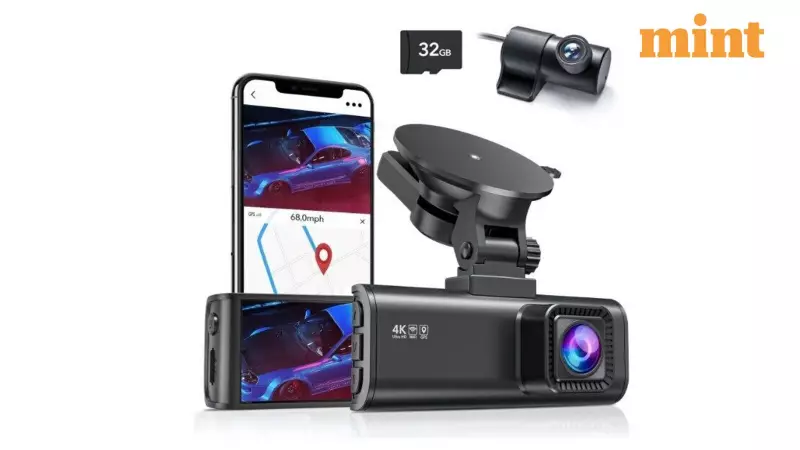
Indian winters transform daily commutes into challenging journeys marked by icy mornings, dense fog blankets, and sudden temperature drops that test both drivers and their vehicle equipment. The familiar problem of windshield fogging from the inside during early hours turns even short trips into stressful experiences, while older dashboard cameras often fail to capture clear footage through the misty glass.
Advanced Thermal Engineering Tackles Condensation
The fundamental issue during winter months is condensation formation. When warm cabin air and human breath meet the cold windshield surface, fog quickly develops across the glass. Dash cams positioned near the windshield bear the direct impact of this temperature conflict. Modern devices address this through sophisticated thermal management systems.
Heat-dissipating shells constructed from aluminum alloys help maintain optimal device temperature. Rather than letting the camera become excessively cold, these materials stabilize internal conditions, preventing rapid cooling that leads to lens chamber condensation. The lens itself features specialized hydrophobic and anti-condensation coatings that function as invisible barriers against moisture accumulation.

Premium-range dash cams incorporate a controlled micro-heating mechanism near the lens area. This isn't a cabin warmer but rather a subtle thermal pad that keeps lens temperature above the dew point, significantly reducing condensation likelihood even before the windshield fully clears. Internally, solid-state capacitors have replaced conventional battery types since traditional lithium batteries tend to stiffen in colder conditions, causing delayed startup or temporary malfunctions.
Intelligent Software Enhances Foggy Footage
Even with robust hardware, winter fog continues to compromise visibility by scattering light, dimming scenes, and creating headlight flare effects. Contemporary dash cams employ sophisticated software processing to restore clarity and produce sharper recordings despite foggy conditions.
Wide Dynamic Range technology proves crucial for Indian winter roads, particularly during pre-sunrise hours when many commuters travel. WDR adjusts exposure levels throughout the frame, preventing bright areas from overwhelming the rest of the image. This effectively balances glare from fog-reflected headlights or sunlight interacting with misty patches.
HDR imaging combined with dehaze algorithms is becoming increasingly common. These features identify low contrast resulting from fog and digitally enhance clarity by sharpening outlines, restoring color accuracy, and improving license plate readability through partially fogged windshields. This capability proves especially valuable on highways during peak winter when visibility decreases but accident risks and sudden braking incidents remain frequent.
Advanced noise reduction tools further improve winter recording quality. The combination of low-light mornings and fog typically increases video graininess. Dash cams counter this by optimizing ISO settings and applying smoothing filters, generating cleaner footage while preserving essential details. Multi-layer lens coatings minimize the halo effect around lights, which is particularly beneficial in regions like Punjab and Uttar Pradesh where nighttime fog intensifies, transforming headlights into glowing orbs that obscure vision.
Strategic Mounting and Airflow Considerations
Mounting position represents a critical yet often overlooked factor in winter dash cam performance. Modern models are engineered for placement behind the rear-view mirror where defogger airflow arrives first. When drivers activate car heaters or AC defoggers, warm air immediately targets the windshield's central section, helping dash cams regain clear visibility faster than units mounted near corners.
Compact camera designs serve an important function in Indian vehicles, especially hatchbacks and compact SUVs with limited windshield space. Smaller dash cams benefit from improved airflow circulation around their bodies, reducing cold spots that typically attract condensation.

Ventilation slots integrated into the casing assist in regulating device temperature. During extended highway drives on cold mornings, this prevents cameras from becoming excessively cool or warm. Heat-resistant 3M adhesive mounts ensure camera stability even as windshields transition from freezing outdoor temperatures to warmer indoor climates. These mounting strategies and airflow considerations guarantee that dash cams maintain reliable visibility throughout winter mornings, even when fogging occurs repeatedly.
Across India's diverse winter conditions—from North India's sharp temperature drops at dawn causing instant condensation to Central regions like Madhya Pradesh where dry cold air mingles with morning dew forming thin interior fog layers, and Coastal and Eastern states experiencing humid winter mornings with recurrent glass fogging—modern dash cams have evolved to adapt to these varied environments, becoming trustworthy companions throughout the winter driving season.