

In a stunning turn of events that marks the end of an era in consumer robotics, iRobot Corporation, the pioneering company behind the iconic Roomba vacuum cleaner, has officially filed for bankruptcy. The shocking collapse of this smart home icon brings a heartbreaking close to its 35-year legacy, once celebrated for making household chores fun and automated.
The Fall of a Tech Darling
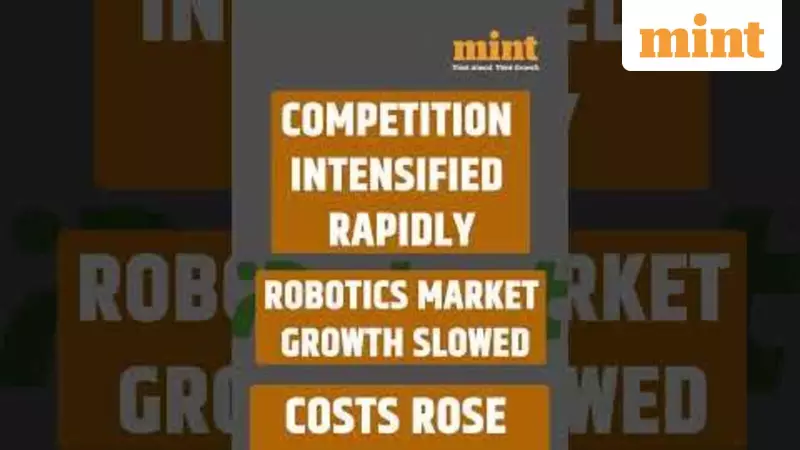
The company, which was once a darling of the technology world for revolutionizing how we clean our homes, has crumbled under immense pressure. This pressure came from a combination of fierce competition from cheaper rivals, soaring operational costs, and a market growth that has essentially stalled. The filing, confirmed on 16 December 2025, signals a pivotal and devastating milestone for the brand that was synonymous with robot vacuums.
iRobot's journey, which began in 1990, saw it rise to become a household name across the globe, including in tech-savvy Indian markets. The Roomba was more than a gadget; it was a symbol of a futuristic, automated home. Now, its fate mirrors that of other fallen giants from the past, like the video rental chain Blockbuster, unable to adapt swiftly to a rapidly changing commercial landscape.

CEO's Statement and Market Realities
In response to this development, iRobot's CEO Gary Cohen described the bankruptcy filing as a "pivotal milestone" aimed at securing the company's long-term future. This corporate language, however, belies the stark reality on the ground. The market for robot vacuums has become a battleground, dominated by aggressive and cost-effective brands like Eufy and Roborock.
These rivals have successfully captured consumer attention by offering feature-rich products at significantly lower price points, a strategy that has slowly eroded iRobot's market share. For consumers in price-sensitive markets like India, the appeal of these affordable alternatives proved too strong to resist, leaving the premium Roomba models struggling to compete.
What Led to the Downfall?
The reasons for iRobot's bankruptcy are multifaceted. Analysts point to a perfect storm of challenges:
- Intense Competition: The market is flooded with cheaper, yet technologically advanced, robot vacuums from Chinese and other manufacturers.
- High Costs: iRobot's operational and manufacturing costs remained high, preventing it from competing on price.
- Innovation Stagnation: While competitors rapidly innovated, iRobot's core product lineup saw incremental updates, making it harder to justify its premium pricing.
- Market Saturation: The initial explosive growth in the smart home device segment has slowed, making customer acquisition more difficult and expensive.
The question now looming large is: will these cheap rivals completely sweep the floor clean? The bankruptcy of iRobot certainly opens the floodgates for companies like Eufy and Roborock to consolidate their positions further, potentially leading to less diversity and innovation in the long run.
For millions of users and tech enthusiasts, especially those who welcomed the first Roomba into their homes, this is a poignant and heartbreaking end. It is the final chapter for the gadget that promised a glimpse into a automated future and, for a while, truly made mundane chores feel like a thing of the past.






