For every filmmaker, vlogger, and digital creator in India, achieving crystal-clear, professional video is the ultimate goal. The secret often lies not just in the camera, but in the support system that holds it. Two tools dominate the conversation: the dynamic gimbal and the steadfast tripod. Choosing the right one can make or break your visual story.
Movement vs Stability: Core Purposes Defined
Gimbals and tripods serve fundamentally different masters. A gimbal is engineered for motion. Its motorised system actively fights against shakes and jitters from your hands, delivering buttery-smooth footage even when you are walking, running, or swiftly changing angles. This makes it the undisputed champion for capturing dynamic action, following a subject, or creating immersive, moving shots that pull the viewer into the scene.
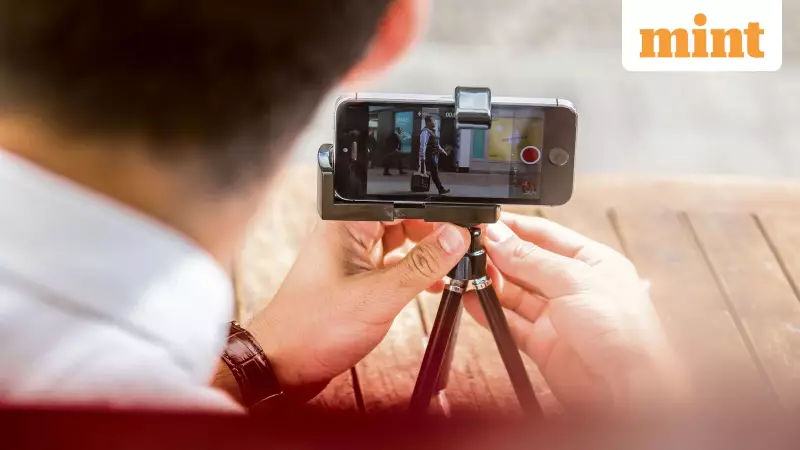
In contrast, a tripod is the king of fixed stability. It locks your camera in one perfectly still position, guaranteeing razor-sharp images and rock-steady video. For static interviews, precise time-lapse sequences, or any shot where the camera itself should not move, a tripod offers reliability that a gimbal simply cannot match. Its strength is in providing a solid, unmoving foundation.

Creative Control and Practical Considerations
When it comes to creative flexibility, gimbals unlock a world of cinematic movement. They allow for fluid pans, tilts, and complex tracking shots that make content feel alive and engaging. For storytellers who want their camera to be a dynamic participant, a gimbal is essential. However, this power comes with a learning curve—it requires practice to balance and operate smoothly, and it depends on battery life, needing regular charging.
Tripods offer a different kind of power: the power of precision and control. With adjustable legs, fluid heads, and secure locking mechanisms, you can frame a shot exactly and repeat it perfectly hours later. This is crucial for technical work or long recordings. From a practical standpoint, tripods are often simpler to set up, don't need batteries, and provide unmatched stability in windy or challenging conditions, though they can be heavier to carry.
The Verdict: Complementary Tools, Not Competitors
The debate isn't about which tool is better overall, but which is better for your specific shot. For movement-heavy content—like travel vlogs, action sequences, or dynamic event coverage—a gimbal enhances visual flow. For controlled, static compositions—like studio talks, product shots, or landscape photography—a tripod delivers consistency.
Smart creators in India's booming content ecosystem don't choose one over the other. They use both. By combining smooth, flowing gimbal shots with stable, grounded tripod footage, you can create a final video that feels both exciting and professionally polished. Understanding the unique strength of each tool allows you to make informed choices and elevate your production value significantly.