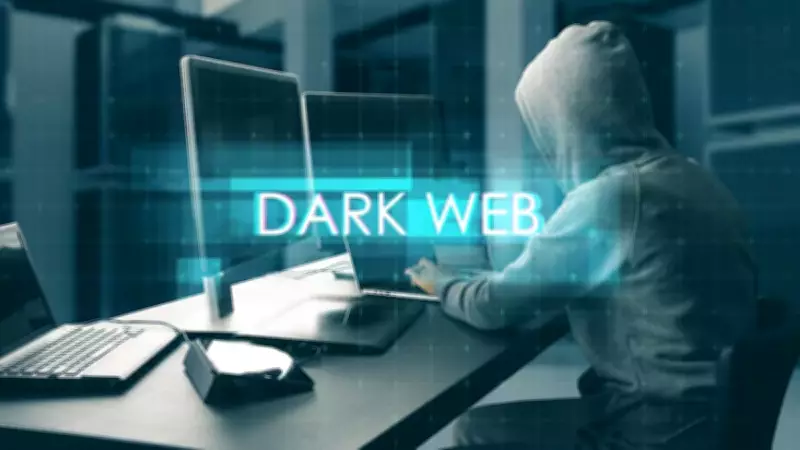
The dark web, a hidden part of the internet not indexed by traditional search engines, has become a hotbed for illicit activities ranging from drug deals to massive data leaks, including the exposure of sensitive Aadhaar information. As more users venture into this shadowy realm, either out of curiosity or necessity, it is crucial to understand the dangers and how to protect oneself.
What Is the Dark Web?
The dark web is a segment of the deep web that requires specific software, such as Tor, to access. While it offers anonymity and privacy for legitimate users like journalists and activists, its unregulated nature also attracts criminals. Unlike the surface web, activities on the dark web are encrypted and difficult to trace, making it a safe haven for illegal transactions.
Major Threats on the Dark Web
- Aadhaar Leaks: One of the most alarming threats is the sale of Aadhaar data. Cybercriminals steal personal information from government databases and sell it on dark web marketplaces, leading to identity theft and financial fraud.
- Drug Deals: The dark web is infamous for its black markets where drugs, weapons, and counterfeit goods are traded using cryptocurrencies. These transactions are nearly impossible to track.
- Malware and Hacking Tools: Malicious software, ransomware, and hacking services are readily available, enabling even novice criminals to launch cyberattacks.
- Illegal Content: Horrific content such as child exploitation material and violent extremist propaganda is also prevalent, making the dark web a dangerous place for the unwary.
How to Stay Safe
For General Users
The simplest advice is to avoid accessing the dark web unless absolutely necessary. If you must use it for legitimate purposes, follow these steps:

- Use a VPN: A virtual private network adds an extra layer of encryption, hiding your IP address from prying eyes.
- Install Antivirus Software: Keep your system protected with up-to-date security software to block malware.
- Never Share Personal Information: Do not enter any personal details, including Aadhaar numbers, on dark web sites.
- Stick to Reputable Marketplaces: If you must make purchases, use only established and reviewed vendors, though this carries inherent risk.
For Organizations
Businesses and government agencies must take proactive measures to protect sensitive data:
- Implement Strong Encryption: Encrypt all sensitive data both at rest and in transit.
- Regular Security Audits: Conduct frequent penetration testing and vulnerability assessments.
- Employee Training: Educate staff about phishing scams and safe browsing habits.
- Monitor the Dark Web: Use specialized tools to scan for leaked credentials or stolen data.
The Role of Law Enforcement
Authorities worldwide are increasingly targeting dark web activities. Operations like the takedown of Silk Road and AlphaBay have shown that no corner of the internet is beyond the reach of law. However, the decentralized nature of the dark web makes complete eradication difficult. Users must remain vigilant and report suspicious activities to cybercrime units.
Conclusion
The dark web is a double-edged sword: it provides privacy for those who need it but also harbors serious threats. From Aadhaar leaks to drug deals, the risks are real. By staying informed and adopting robust security practices, individuals and organizations can navigate this dangerous landscape more safely.