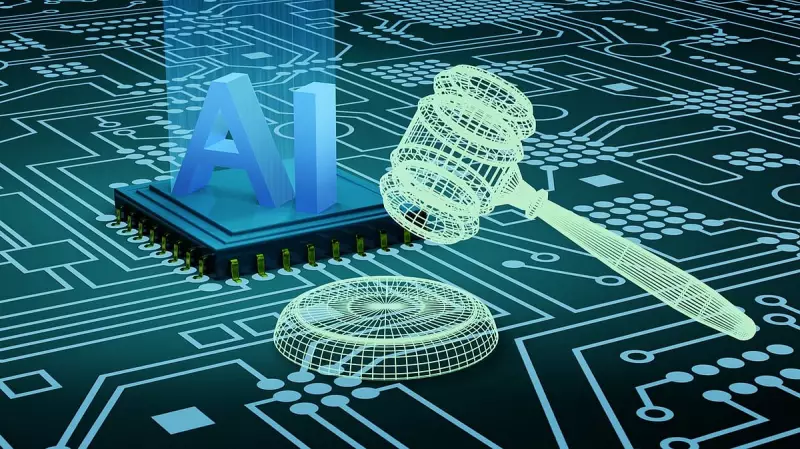
At first glance, artificial intelligence and politicians might appear to have some common ground. Both can communicate using complete sentences and often do so with remarkable confidence. Both are capable of generating lengthy speeches and presentations. However, these similarities are merely superficial, masking fundamental differences that make politicians irreplaceable by AI systems.
The Superficial Similarities Between AI and Politicians
When we observe artificial intelligence systems and political leaders side by side, we can identify several surface-level similarities that might lead some to believe they're interchangeable. Both entities process information and deliver responses in coherent, structured language. Both can address large audiences and present arguments in persuasive manners.
Confident communication is another shared characteristic - whether it's a politician addressing a rally or an AI system responding to queries, both exhibit a degree of assurance in their delivery. The ability to generate extensive verbal content is also common to both, with politicians known for their marathon speeches and AI systems capable of producing endless streams of text.

Why AI Falls Short in Political Leadership
Despite these surface similarities, artificial intelligence lacks several crucial qualities that define effective political leadership. Human politicians possess emotional intelligence, moral judgment, and the ability to understand nuanced human experiences that AI cannot replicate. The complex web of ethical considerations, cultural sensitivities, and historical contexts that inform political decisions requires a human touch that algorithms cannot provide.
Political leadership involves more than just processing data and generating responses. It requires empathy, the capacity for moral reasoning, and an understanding of human suffering and aspiration that transcends computational capabilities. While AI can analyze vast amounts of information and identify patterns, it cannot truly understand human emotions or make value-based judgments in the way human leaders must.
The Irreplaceable Human Element in Governance
The fundamental difference lies in the human experience itself. Politicians, despite their flaws, are products of their communities, cultures, and personal experiences. They understand what it means to struggle, to hope, and to dream in ways that artificial intelligence never can. This human connection forms the bedrock of effective governance and political representation.
Decision-making in politics often involves balancing competing interests, making ethical compromises, and exercising judgment in situations where there are no clear right answers. These capabilities require a depth of understanding about the human condition that AI systems simply don't possess. The moral responsibility that comes with political power is something that cannot be programmed into algorithms.
While artificial intelligence continues to advance at an astonishing pace, the role of human politicians remains secure for the foreseeable future. The complexities of governance, the nuances of human relationships, and the moral dimensions of leadership create a realm where human judgment and experience continue to outperform even the most sophisticated artificial intelligence systems.