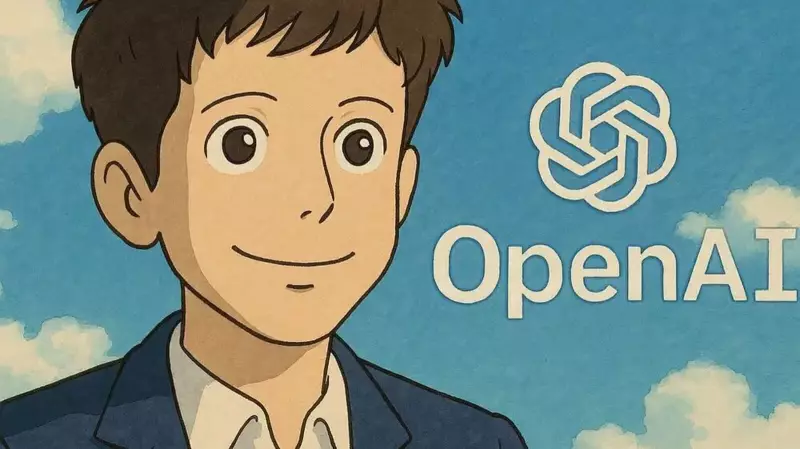
In a significant development that pits traditional artistic creation against artificial intelligence advancement, a prominent Japanese artists' group with backing from the legendary Studio Ghibli has formally demanded that OpenAI cease using Japanese artwork to train its Sora text-to-video generator.
The controversy centers around what the creative community calls unauthorized use of copyrighted material to develop AI capabilities. The Japanese organization, representing some of the country's most respected animators and visual artists, has taken a firm stance against what they perceive as intellectual property infringement.
The Heart of the Conflict
At the core of this dispute lies the fundamental question of how AI companies should ethically source training data for their models. The Japanese artists argue that using their work without explicit permission or compensation violates their creative rights and devalues their artistic contributions.

This isn't just about legal technicalities - it's about respecting cultural heritage and artistic integrity. Japanese animation and artwork have gained global recognition for their unique style and emotional depth, making them particularly valuable for AI training purposes.
Why This Matters for the Future of AI
The confrontation highlights growing tensions between AI developers and creative professionals worldwide. As AI systems become more sophisticated, their hunger for high-quality training data increases, often putting them at odds with content creators.
- Artists fear their distinctive styles could be replicated without attribution
- Traditional creative industries face disruption from AI-generated content
- Legal frameworks struggle to keep pace with technological advancements
- Cultural preservation becomes entangled with digital innovation
The Global Implications
This case could set important precedents for how AI companies worldwide approach training data acquisition. The outcome may influence:
- Future partnerships between AI firms and creative industries
- Development of ethical guidelines for AI training practices
- Legal standards for copyright in the age of artificial intelligence
- International cooperation on AI governance
The resolution of this dispute could shape the relationship between human creativity and machine learning for years to come, potentially establishing new norms for how technology companies interact with artistic communities.