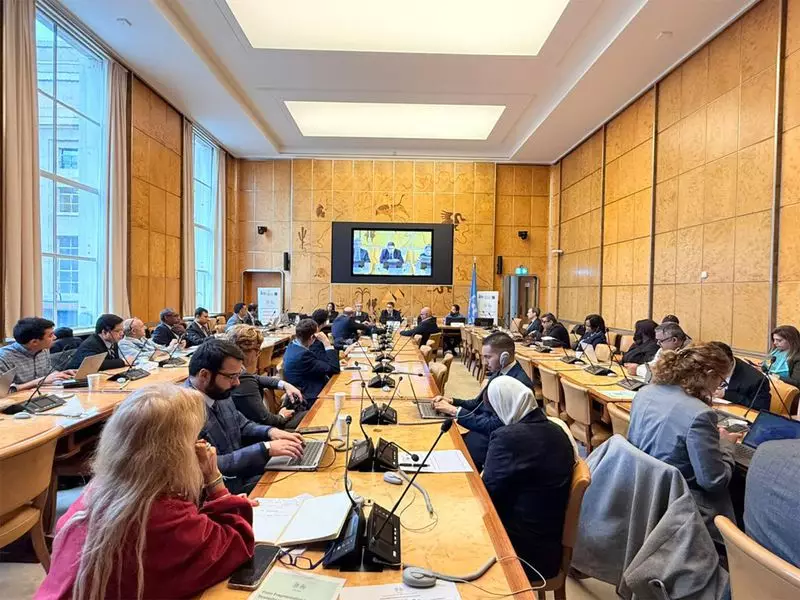
A significant international dialogue in Geneva has brought to the forefront the urgent need to ensure equitable access to artificial intelligence technologies for developing nations, often referred to as the Global South. The discussions highlighted the growing concern that without proactive measures, the AI revolution could exacerbate existing global inequalities.
The Core Demand: Bridging the AI Divide
The central theme that emerged from the dialogue was the critical importance of preventing a new form of digital colonization. Participants emphasized that AI technology must not become the exclusive domain of wealthy, technologically advanced nations. Instead, there is a pressing need to create frameworks that allow developing countries to not only use AI but also participate in its creation and governance.
Experts and diplomats gathered to address what many see as an impending "AI divide" that could leave billions of people behind. The dialogue served as a platform for nations from Africa, Asia, and Latin America to voice their concerns and aspirations regarding the global AI landscape.

Key Arguments for Inclusive AI Development
Several compelling arguments were presented in favor of equitable AI access. Firstly, participants stressed that AI systems trained predominantly on data from the Global North often fail to understand or address the specific contexts, languages, and challenges faced by populations in the Global South. This leads to biased and ineffective solutions when such technologies are deployed in different cultural and economic environments.
Secondly, the discussion highlighted how AI could be instrumental in achieving the United Nations Sustainable Development Goals in developing regions. From improving agricultural yields and healthcare diagnostics to enhancing educational outcomes and disaster management, AI holds tremendous potential to accelerate progress in critical areas that directly impact quality of life in the Global South.
Thirdly, there was consensus that excluding diverse perspectives from AI development results in technologically inferior products. The inclusion of developers, researchers, and thinkers from the Global South would enrich the entire AI ecosystem, leading to more robust, creative, and universally applicable innovations.
Practical Steps Towards Equitable AI
The dialogue moved beyond identifying problems to proposing concrete solutions. Participants discussed the need for increased investment in digital infrastructure in developing countries, including reliable internet connectivity and computing resources necessary for AI development and deployment.
There were calls for technology transfer initiatives and capacity-building programs that would enable local talent in the Global South to acquire the skills needed to work with advanced AI systems. This includes educational partnerships, training workshops, and scholarship programs focused on AI and machine learning.
The importance of developing local AI ecosystems was repeatedly emphasized. This involves supporting homegrown startups, research institutions, and innovation hubs that can create AI solutions tailored to local needs and conditions, rather than simply importing technologies developed elsewhere.
Participants also addressed the need for inclusive global governance structures where developing nations have a meaningful voice in shaping the international rules and standards that will govern AI development and use. Without such representation, global AI policies risk reflecting only the interests and values of technologically dominant nations.
The Road Ahead for Global AI Equity
The Geneva dialogue represents a crucial step in recognizing and addressing the potential inequalities embedded in the rapid advancement of artificial intelligence. While the challenges are significant, the collective determination expressed by participants suggests a growing international movement toward a more inclusive technological future.

The discussions made it clear that achieving equitable AI access is not merely a matter of fairness but a practical necessity for global stability and progress. As AI becomes increasingly central to economic development and social organization, ensuring that all nations can benefit from this transformative technology is essential for creating a balanced and prosperous world.
The outcomes of this dialogue are expected to influence upcoming international forums and policy discussions on artificial intelligence. The message from Geneva is unambiguous: the future of AI must be co-created by all humanity, not just its most technologically advanced segments.