Delhi's Proposed Policy Shift
The Delhi government has proposed a policy that would restrict new two-wheeler registrations to electric vehicles only, a move that has prompted Honda to evaluate a potential return to the electric two-wheeler market. The proposal, if implemented, would make Delhi the first major Indian city to mandate electric-only registrations for two-wheelers, a segment that accounts for a significant portion of urban vehicular emissions.
Current Market Data
Market data, however, shows a more nuanced adoption curve. According to VAHAN, Delhi registered 5.6 lakh two-wheelers in FY26, of which 7.3% (around 41,000) were electric. This indicates that while the shift toward electric mobility is underway, it remains a small fraction of total sales. The proposed policy could accelerate this transition dramatically, potentially forcing manufacturers like Honda to adapt quickly or risk losing market share in a key urban market.
Honda's Strategic Pivot
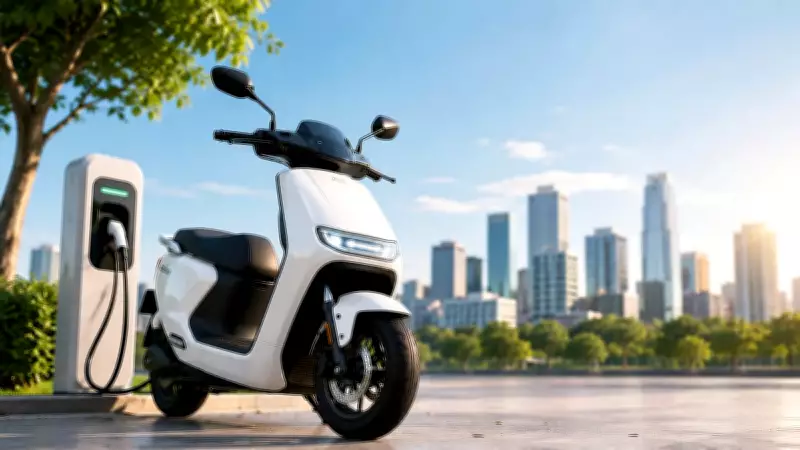
Honda had previously scaled back its electric two-wheeler ambitions in India due to high costs and limited charging infrastructure. However, the Delhi proposal has led the company to reconsider, with sources indicating that Honda is now evaluating a new EV model tailored for the Indian market. The company is reportedly in talks with local suppliers and battery manufacturers to develop a cost-effective electric scooter that could compete with existing players like Ola Electric and Ather Energy.

According to a Honda spokesperson, "We are closely monitoring policy developments in Delhi and other states. The proposed electric-only registration policy is a significant step, and we are evaluating our product strategy to align with evolving regulatory requirements." The company has not confirmed a specific timeline for launching an EV in India, but insiders suggest a prototype could be ready for testing by early 2027.
Industry Reactions
Industry experts have welcomed the Delhi government's proposal but caution that infrastructure challenges remain. "Delhi's policy is a bold move that could set a precedent for other states," said an analyst at a leading consulting firm. "However, without adequate charging stations and reliable power supply, the transition may face hurdles. Manufacturers like Honda will need to invest in both vehicles and ecosystem development."
The proposal is part of Delhi's broader clean air action plan, which aims to reduce vehicular pollution by 30% by 2030. Two-wheelers account for nearly 40% of Delhi's registered vehicles and are a major source of particulate matter emissions. The electric-only registration policy is expected to be phased in over three years, with exemptions for certain commercial and emergency vehicles.
Impact on Consumers
For consumers, the shift to electric two-wheelers could mean higher upfront costs, though lower running and maintenance expenses. The Delhi government has proposed subsidies and tax incentives to ease the transition, including a 15% purchase subsidy on electric two-wheelers and free parking in designated zones. Additionally, the city plans to install 500 new charging stations over the next two years, focusing on residential areas and commercial hubs.
Honda's potential re-entry into the EV segment could intensify competition and drive down prices, benefiting consumers. The company's strong brand reputation and extensive service network could also address range anxiety and reliability concerns that have deterred some buyers from switching to electric.