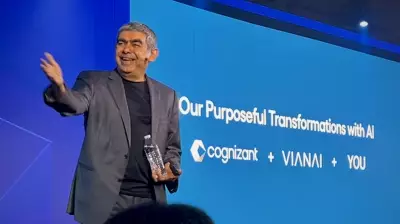
Reskilling Becomes Essential as AI Reshapes the Workforce
According to Vijay Prakash Srivastava, the rapid advancement of artificial intelligence is making reskilling a critical necessity for the global workforce. While some professionals may choose to build careers specifically in AI, the majority must learn to integrate AI tools into their existing roles to remain relevant. This shift is not optional but a fundamental requirement for career sustainability in the coming decade.
Two Paths for Workers in the AI Era
Srivastava outlines two primary trajectories for employees: those who specialize in AI development, such as machine learning engineers and data scientists, and those who adopt AI as a tool to enhance productivity in fields like marketing, healthcare, and finance. The latter group constitutes the larger portion of the workforce and requires targeted reskilling programs to bridge the gap between current skills and future demands.
Impact on Job Roles and Industries
A 2025 study by the World Economic Forum estimated that by 2030, 85 million jobs could be displaced by AI, but 97 million new roles may emerge. This highlights the urgency for systematic reskilling initiatives. Industries such as manufacturing, customer service, and logistics are already seeing automation of routine tasks, while sectors like education and law are integrating AI for data analysis and document review.

Strategies for Effective Reskilling
Organizations must invest in continuous learning ecosystems, offering micro-credentials and modular training. Governments can support through tax incentives and public-private partnerships. Individuals should focus on developing uniquely human skills like critical thinking, creativity, and emotional intelligence, which complement AI capabilities. Srivastava emphasizes that reskilling is not a one-time event but an ongoing process of adaptation.
Conclusion: Embracing Change
The criticality of reskilling in AI cannot be overstated. As Srivastava notes, "Those who embrace lifelong learning will thrive; those who resist risk obsolescence." The choice is clear: adapt now or face irrelevance in the AI-driven future.