

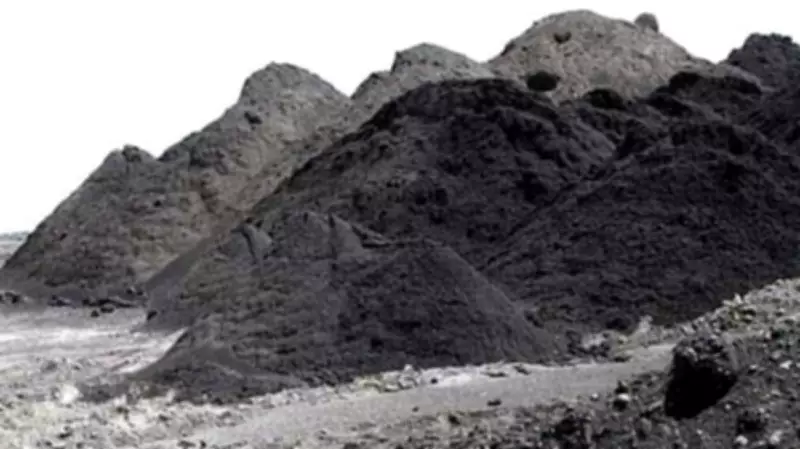
Centre Faces Scrutiny Over Fly Ash Utilisation Rules
The central government is under increasing scrutiny over its enforcement of fly ash utilisation norms across the country's 555 thermal power plants, including 19 located in Karnataka. The issue has gained prominence as environmental groups and state authorities raise concerns about compliance and the environmental impact of improper fly ash disposal.
555 Thermal Plants Nationwide
According to official data, India has 555 thermal power plants, of which 19 are in Karnataka. These plants generate significant quantities of fly ash, a byproduct of coal combustion, which must be utilised in accordance with Ministry of Environment, Forest and Climate Change (MoEFCC) guidelines. The rules mandate that thermal plants achieve 100% fly ash utilisation within a specified timeframe.
However, reports indicate that many plants are falling short of these targets, leading to environmental degradation. Fly ash, if not properly managed, can contaminate water bodies and soil, posing health risks to nearby communities.

Environmental Concerns and State Response
Environmental activists have highlighted that non-compliance with fly ash utilisation norms is widespread. "The Centre needs to enforce stricter penalties for thermal plants that fail to meet utilisation targets," said a spokesperson from an environmental NGO. "In Karnataka, several plants have been found to be lagging, and the state government has sought central intervention."
Karnataka's pollution control board has reported that some plants have not submitted adequate utilisation plans, resulting in stockpiling of fly ash. This has led to air and water pollution in surrounding areas.
Government's Stand and Future Actions
The Ministry of Power has stated that it is monitoring the situation closely. A senior ministry official said, "We are working with state governments to ensure compliance. Thermal plants that do not adhere to norms will face action, including possible closure." The government has also introduced incentives for plants that exceed utilisation targets, such as faster environmental clearances.
Despite these measures, critics argue that enforcement remains weak. The Comptroller and Auditor General (CAG) had earlier flagged deficiencies in monitoring fly ash utilisation across the country.
Impact on Environment and Health
Improper fly ash disposal has been linked to respiratory illnesses and water contamination. In Karnataka, villages near thermal plants have reported increased cases of asthma and skin diseases. The state government has urged the Centre to expedite the implementation of a fly ash utilisation policy that includes mandatory use in construction and road building.
According to a 2022 study by the Central Pollution Control Board, only about 70% of fly ash generated was utilised, leaving a significant gap. The target for 2026 is to achieve 100% utilisation, but current trends suggest that many states are struggling to meet this goal.
As the debate intensifies, the Centre's role in enforcing environmental norms remains under the spotlight, with stakeholders demanding more robust action to protect public health and the environment.






