

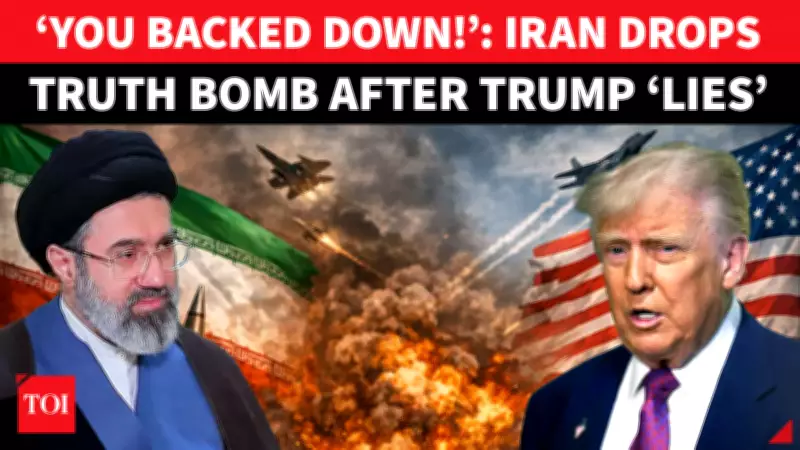
Iran Dismisses Trump's Truce Proposal, Accuses US of Strategic Delaying Tactics
In a significant diplomatic development, Iran has categorically rejected recent remarks by US President Donald Trump regarding potential discussions between the two nations. According to a report from the semi-official Mehr news agency, Iran's foreign ministry stated unequivocally that there are currently no talks taking place between Tehran and Washington.
Iran's Official Response to Trump's Comments
The Iranian foreign ministry characterized President Trump's comments as part of a calculated effort to achieve two primary objectives: lowering global energy prices and buying valuable time for American military planning. This represents a clear escalation in the ongoing war of words between the two nations, with Iran positioning itself as responding to American provocations rather than initiating conflict.
"We are not the party that started this war," the ministry declared, adding that all requests for tension reduction should be directed toward Washington rather than Tehran. This statement underscores Iran's consistent position that the United States bears primary responsibility for the current state of bilateral relations.

Regional Mediation Efforts and Iran's Stance
The ministry acknowledged that several regional countries have initiated efforts to reduce tensions between Iran and the United States. However, Iran's response to these mediation attempts has been uniformly consistent: all such requests should be referred to Washington rather than Tehran.
This position reflects Iran's strategic calculation that the United States must take the first substantive steps toward de-escalation, given what Tehran perceives as American aggression and provocation in the region. The rejection of Trump's overture comes amid heightened tensions in the Persian Gulf and broader Middle East region.
Context of US-Iran Relations
The current exchange occurs against a backdrop of:
- Ongoing regional conflicts involving proxy forces
- Persistent disagreements over Iran's nuclear program
- Economic sanctions imposed by the United States
- Military posturing by both nations in strategic waterways
Iran's firm rejection of dialogue with the Trump administration suggests that diplomatic channels remain largely closed, despite occasional public statements suggesting otherwise from Washington. The ministry's characterization of Trump's comments as tactical rather than genuine represents a significant obstacle to any potential breakthrough in relations.
This development highlights the deep-seated mistrust between the two governments and suggests that substantive diplomatic engagement remains unlikely in the immediate future. Both nations appear entrenched in their respective positions, with Iran demanding concrete American concessions before considering any form of dialogue.






