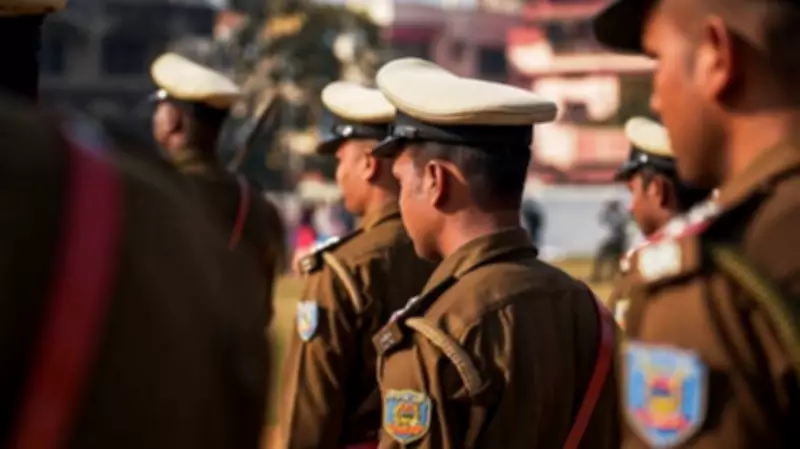
West Bengal Police Officers Persist in Khaki to Khadi Uniform Shift
In a notable development within the state's law enforcement, West Bengal Police officials are continuing to display a strong preference for discarding their traditional khaki uniforms in favor of khadi attire. This trend, which has become increasingly prominent, traces its origins back to the political landscape shift following the Trinamool Congress (TMC) party's significant electoral victory in 2011.
Historical Context and Political Influences
The practice of police officers opting for khadi over khaki began to take root over a decade ago, coinciding with the TMC's rise to power in West Bengal. Since that time, this uniform change has evolved into a persistent pattern among many officials, highlighting the deep-seated connections between political dynamics and institutional norms in the region.
Observers note that this shift is not merely a sartorial choice but reflects broader cultural and political undercurrents within the state. The khadi fabric, often associated with India's independence movement and traditional craftsmanship, has been embraced by some officers as a symbol aligning with the ruling party's ethos.

Current Trends and Implications
As of recent reports, the trend remains active, with numerous police personnel across West Bengal continuing to adopt khadi in their daily wear. This ongoing practice raises questions about uniformity, discipline, and the potential blending of political affiliations with official duties.
Key aspects of this development include:
- Continuity: The trend has persisted for years, indicating it is more than a fleeting fashion statement.
- Political Symbolism: Khadi is often linked to the TMC's identity, suggesting possible influences on police culture.
- Institutional Impact: Such changes may affect public perception of police neutrality and professionalism.
While no official mandates have been publicly disclosed requiring this shift, the voluntary adoption by officers points to a cultural assimilation within the force. This phenomenon is particularly noteworthy as West Bengal approaches future electoral cycles, including the speculated West Bengal Assembly Elections in 2026.
Experts argue that while individual choices in attire might seem minor, they can signal deeper alignments within state institutions. The persistence of this trend underscores the complex interplay between politics and policing in West Bengal, a state known for its vibrant and often contentious political environment.
In summary, the ongoing transition from khaki to khadi among West Bengal Police officials remains a significant and evolving story, rooted in historical political changes and continuing to shape the visual and symbolic landscape of law enforcement in the region.