Voter List Deletions Haunt Former Enclaves in Cooch Behar, West Bengal
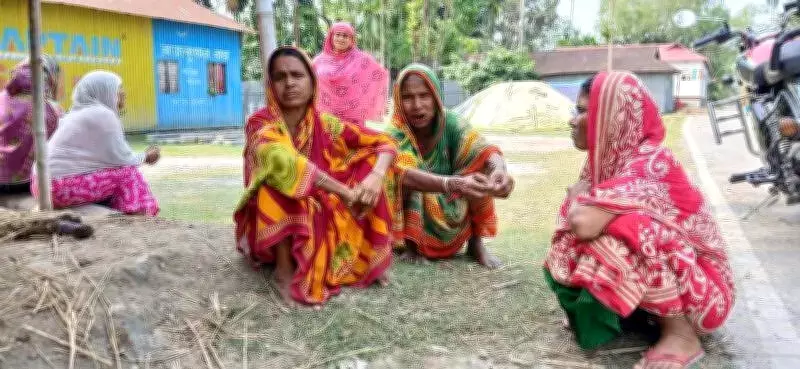
Munawwara Bibi, a 65-year-old homemaker from Dinhata, runs her finger slowly down a voter list taped to the wall of her local panchayat office. "My name was here during the Lok Sabha polls... how can it disappear," she murmurs in disbelief. This marks her fourth visit to the office since the Systematic Inclusion Review (SIR) led to the deletion of her name from the voter list in Cooch Behar's Madhya Mashaldanga area. With the election merely a day away, she clings to a faint hope of restoration.
A History of Exclusion Resurfaces
For decades, residents of these former enclaves lived in a legal void, deprived of schools, hospitals, government services, and the fundamental right to vote. The implementation of the India-Bangladesh Land Boundary Agreement in 2015 was supposed to end this history of exclusion by granting them citizenship. Yet, a decade later, many in these settlements allege they are once again being pushed to the margins, this time due to the SIR process.
Munawwara is among more than 2,500 individuals whose names have been deleted from a voter base of over 14,000 in Cooch Behar's former enclaves. Specific data highlights the scale: in Madhya Mashaldanga, 88 out of 397 enclave voters have allegedly been removed; in Dakshin Mashaldanga, 80 out of 1,191 names are missing; in Kachua, 48 of 380 have been deleted; and in Poaturkuthi, 71 out of 1,910 are gone. This pattern of deletions stretches consistently across the settlements.

Root Causes and Official Responses
Many residents trace these deletions to the use of 2002 electoral rolls as a reference point, a time when enclave residents were not Indian citizens. "We were told we would be treated as special cases and that enclave exchange lists would be considered," explains Saddam Hussain from Madhya Mashaldanga. However, officials have cited reasons such as spelling mistakes, mismatches in records, and legacy errors. A Booth Level Officer (BLO), speaking anonymously, acknowledged the genuineness of the residents but noted pressure from seniors: "We know these people are genuine and have lived here for decades. But our seniors said there are mismatches. When we insisted, they said, 'let papers do the talking.'"
Broader Impacts on Daily Life
For residents, losing the right to vote transcends mere paperwork; it forces them to prove their existence once more. Men and women who once waited years for citizenship now spend their days shuttling between offices with Aadhaar cards, old voter slips, and citizenship documents. The fallout is visible across Dinhata, Sitai, and Mathabhanga, where frequent office visits have neglected farm work. Migrant workers have returned from cities, and families are losing wages as a result.
Older residents feel this disenfranchisement particularly acutely, evoking painful memories of statelessness. Anxiety permeates households, with villagers repeatedly checking lists, fearing exclusion without warning. "Today it is my neighbour's name, tomorrow it could be mine," said Hasina Banu, reflecting the widespread unease.
Allegations and Deepening Distrust
Some locals and community leaders allege that a disproportionate number of deletions have affected Muslim families, though no official data has been released to confirm this. This has deepened suspicion in settlements where trust in state systems has always been fragile. Abdul Karim, a resident, poignantly contrasts their plight: "People in other parts of Bengal are asking for better roads and work as they vote. We are only asking that we be allowed to vote."
The situation underscores ongoing challenges in integrating former enclave residents into the democratic fabric, raising questions about bureaucratic processes and social inclusion in West Bengal.