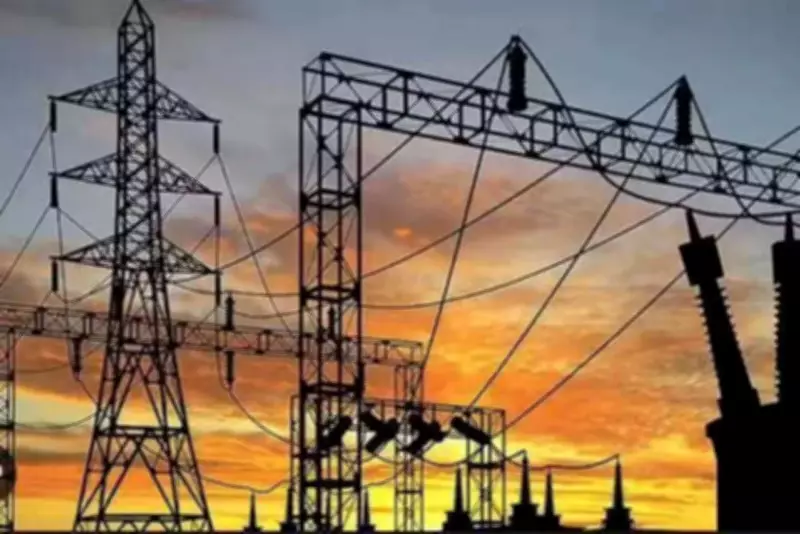
The state government has been urged to release Rs 17,307 crore to the Tamil Nadu Power Distribution Corporation (TNPDCL) as subsidy for various categories of electricity consumers in the current financial year. This amount is approximately Rs 1,300 crore higher than the subsidy disbursed in the previous fiscal year 2025-26.
Breakdown of Subsidy Allocation
Of the total Rs 17,307 crore, the largest portion of Rs 8,428.16 crore is allocated for providing 100 units of free electricity to all domestic consumers, along with tariff reductions for subsequent slabs. The second-largest share of Rs 7,317 crore is designated for free electricity supply to agricultural connections. Additionally, Rs 564.41 crore will be used for free supply and tariff reduction for powerlooms, Rs 394.10 crore for small-scale industries to reduce peak-hour consumption charges, and Rs 370 crore for free electricity to consumers living in huts.
Subsidy Trends and Regulatory Directives
Although electricity tariffs are revised annually in Tamil Nadu, the state government has been absorbing the additional financial burden every alternate year, leading to an annual increase of at least Rs 1,000 crore in the subsidy amount. In the latest subsidy order, the Tamil Nadu Electricity Regulatory Commission has directed the state government to release the subsidy in advance for each quarter to compensate for the revenue shortfall faced by TNPDCL due to free supply and tariff reductions as per policy directives. The commission has also instructed TNPDCL to implement free supply and collect reduced tariffs from the respective consumers.

For the first quarter, the state is required to immediately release approximately Rs 4,326 crore. Any excess or shortfall in the subsidy will be adjusted in the third quarter. Similarly, the subsidy released for the second quarter will be reconciled in the fourth quarter. TNPDCL officials have stated that the state government promptly releases the subsidy in advance to ensure the distribution company does not encounter operational difficulties in its daily activities.