TVK Leader Ignites Political Firestorm with DMK-Rajinikanth Threat Allegation
A major political controversy has erupted in Tamil Nadu after TVK (Tamilaga Vettri Kazhagam) leadership made explosive allegations against the ruling DMK party. The TVK leader has claimed that the DMK government threatened veteran actor Rajinikanth, creating immediate waves across the state's political landscape.
Minister Regupathy Delivers Strong Rebuttal
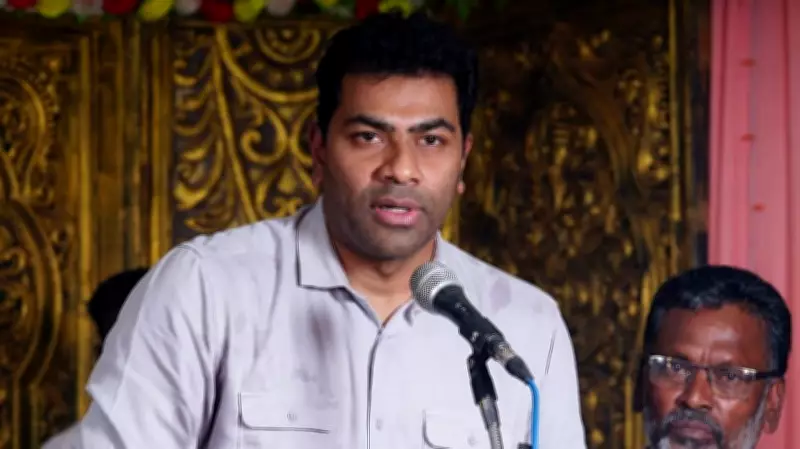
Tamil Nadu Minister S Regupathy launched a fierce counterattack against TVK's allegations, characterizing the claims as completely baseless and politically motivated. The minister accused the Vijay-led TVK party of deliberately fabricating falsehoods to gain political advantage ahead of upcoming elections.
"This is nothing but a blatant lie manufactured for political mileage," Minister Regupathy stated emphatically during his response to media queries. "TVK has resorted to spreading false narratives because they lack genuine political substance and public support."
Escalating Political Tensions in Tamil Nadu
The controversy comes at a sensitive time in Tamil Nadu politics, with multiple parties positioning themselves for electoral battles. The allegation involving Rajinikanth - one of Tamil cinema's most iconic figures - has added a dramatic dimension to the ongoing political discourse.
Political analysts suggest this controversy reflects several key dynamics:
- Increasing competition between emerging political parties and established players
- The strategic use of celebrity associations in political narratives
- Heightened political rhetoric as election seasons approach
- The challenge new parties face in establishing credibility against incumbent governments
Broader Implications for Tamil Nadu Politics
This controversy extends beyond immediate political sparring, potentially affecting several aspects of Tamil Nadu's political environment. The involvement of Rajinikanth's name - though he has not commented publicly - adds significant weight to the allegations, given his massive popularity and influence across the state.
The timing of these allegations is particularly noteworthy, as political parties are actively building their narratives and positioning themselves for future electoral contests. Minister Regupathy's strong denial suggests the DMK government views these allegations as serious enough to warrant immediate and forceful rebuttal.
As the controversy continues to develop, political observers are watching closely to see how this allegation-rebuttal dynamic will influence public perception and potentially reshape political alliances in Tamil Nadu. The incident underscores the increasingly competitive nature of Tamil Nadu politics, where allegations and counter-allegations have become standard political tools in the battle for public support and electoral advantage.