Kolkata Autorickshaw Services Return to Normalcy as LPG Fuel Crisis Eases
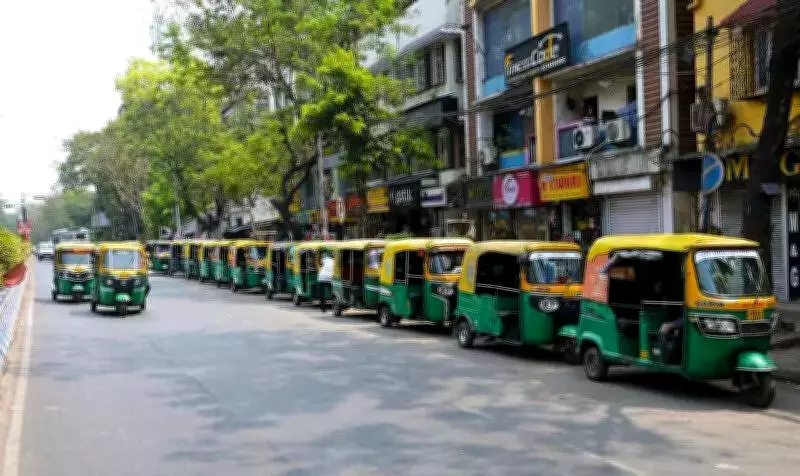
Autorickshaw services across multiple routes in Kolkata began approaching normal operational levels on Saturday, marking a significant improvement from the severe disruptions experienced earlier in the week. The primary driver of this recovery has been the substantial reduction in queues at auto LPG dispensing stations, coupled with a noticeable decline in panic-buying behavior among drivers.
Drivers Report Dramatic Improvement in Refueling Times
Operators confirmed that the situation has improved dramatically compared to the past few days, when refilling an auto LPG tank often required enduring waits of 4 to 5 hours. The easing of fears regarding potential fuel shortages, which had triggered a frantic rush at dispensing stations earlier in the week, has been instrumental in this positive shift.
Drivers reported that while the situation has not yet fully stabilized, the waiting time for refueling has been reduced to approximately 1 hour at most stations. Md Mehboob, an auto driver who has operated on the Park Circus-Chandni route for nearly a decade, shared his experience: "The situation has improved considerably since Thursday and Friday. Earlier, it used to take just 5 to 7 minutes to refill our autos. We would typically do it either early in the morning or late at night. However, after the restrictions on commercial LPG were announced, queues at the stations became extremely long. Sometimes we waited for hours only to hear that the stock had run out. Today, I managed to get my tank filled in about 1 hour."
Service Disruptions and Unprecedented Sales Spike
The crisis earlier this week severely disrupted services on several routes as drivers struggled to obtain fuel. With fewer autos able to refill quickly, many vehicles remained off the roads, leading to a marked reduction in availability for daily commuters.
Officials from Oil Marketing Companies (OMCs) confirmed that panic-buying caused an unprecedented spike in auto LPG sales across the city. The average daily sale of auto LPG during January and February was approximately 10.7 tonnes. However, this figure skyrocketed dramatically this week.
Sales data reveals the extent of the surge:
- Sales climbed to 35.7 tonnes on March 11 – more than three times the normal average.
- This figure dropped slightly to 23.9 tonnes on March 12.
- Officials indicated that sales on March 13 were also expected to exceed 20 tonnes, signaling continued high demand but a gradual trend toward stabilization.
Interestingly, this surge in demand followed a Rs 5 increase in auto LPG prices, which officials stated prompted drivers to rush to refill their tanks in anticipation of further price hikes or shortages.
Infrastructure Challenges Compound the Problem
Operators also highlighted that the crisis was exacerbated by the uneven distribution of auto LPG stations across the city. On certain routes, including the Park Circus-Chandni corridor, there are no dedicated stations, forcing drivers to travel several kilometers to refill their tanks.
One auto operator explained: "When queues grew longer, autos from nearby routes attempted to block others from refilling at the station, creating additional chaos." The manager at a dispensing station in Behala noted that the rush began to ease as drivers gradually realized that fuel supplies were stable and not at immediate risk of depletion.
The return to near-normal service levels provides much-needed relief to Kolkata's commuters, who rely heavily on autorickshaws for daily transportation. While challenges remain, the significant reduction in refueling times and the calming of panic-buying trends indicate a positive trajectory for the city's auto LPG supply chain.