SIR Deletions and Communal Undercurrents Intensify Poll Battle in Murshidabad's Violence-Hit Seats
The political landscape in Murshidabad's volatile constituencies is being dramatically reshaped by a combination of SIR deletions and simmering communal tensions, setting the stage for a fiercely contested electoral battle. Recent reports from the region highlight a disturbing escalation in violence, with houses set ablaze and mobs allegedly cutting off water supplies to hinder firefighting efforts.
Escalating Violence and Electoral Implications
Incidents of arson have surged in these sensitive seats, creating an atmosphere of fear and uncertainty among residents. According to eyewitness accounts and local media reports, mob actions have not only involved setting fire to properties but also included tactics to prevent extinguishing the flames, such as severing water connections. This has compounded the challenges faced by authorities and emergency responders in the area.
The timing of these events is particularly significant as they unfold against the backdrop of an intense political campaign. Analysts suggest that the violence is being leveraged by various political factions to galvanize support along communal lines, further polarizing the electorate.

The Role of SIR Deletions in Shaping Voter Dynamics
Simultaneously, the issue of SIR deletions has emerged as a critical factor influencing voter sentiment and electoral outcomes. The deletion of names from the Summary Revision of Electoral Rolls has sparked widespread controversy and allegations of disenfranchisement, particularly among minority communities. Political parties are actively campaigning on this issue, accusing opponents of manipulating voter lists to gain an unfair advantage.
This controversy over SIR deletions has added another layer of complexity to the already tense political environment. Voters are expressing concerns about their eligibility and the integrity of the electoral process, which could significantly impact turnout and voting patterns in the upcoming polls.
Communal Undercurrents and Political Mobilization
Deep-seated communal undercurrents are also playing a pivotal role in shaping the electoral contest. Historical tensions and recent incidents have been exploited by political actors to mobilize support along religious and ethnic lines. This has led to a charged atmosphere where issues of identity and security are dominating public discourse, often overshadowing developmental agendas.
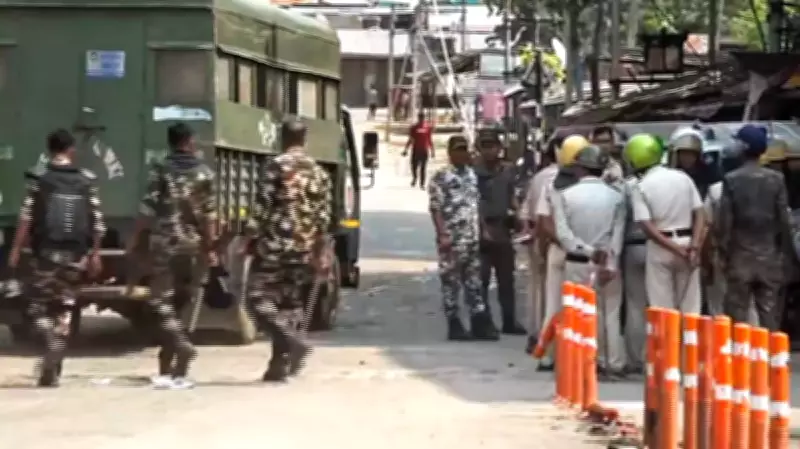
The interplay between these communal dynamics and the violence on the ground is creating a volatile mix that threatens to undermine the democratic process. Security forces have been deployed in strength to maintain order, but the underlying tensions continue to simmer, posing challenges for peaceful polling.
Looking Ahead: Implications for Democracy and Governance
As the election date approaches, the situation in Murshidabad's violence-hit seats remains precarious. The combination of SIR deletions and communal undercurrents is not only influencing the immediate electoral battle but also raising broader questions about the health of democracy and governance in the region. Stakeholders, including election officials and civil society groups, are calling for enhanced vigilance and measures to ensure a free and fair poll.
The outcome of this contest will likely have significant ramifications for West Bengal's political landscape and could set precedents for how similar challenges are addressed in other parts of the country. For now, all eyes are on Murshidabad as it navigates this turbulent phase in its electoral history.