

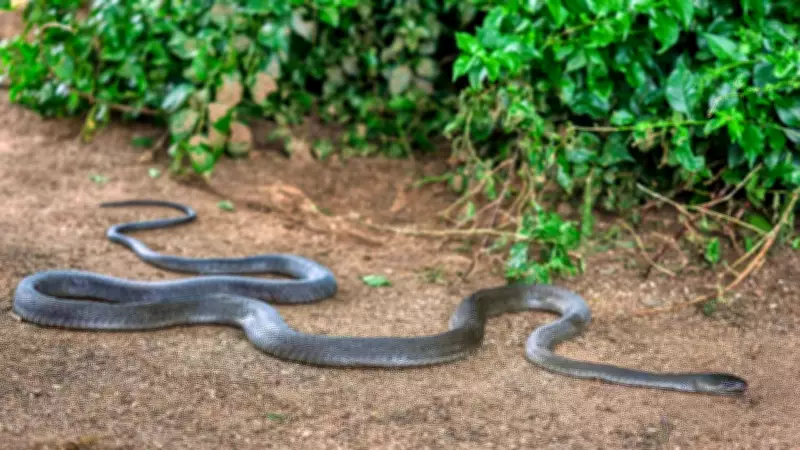
Snakes in Your Garden: The Unseen Neighbors Living Close to Home
Many people believe that snakes are rare visitors to residential areas, but the reality is that these reptiles can live very close to homes without being detected. While it's commonly thought that snakes only inhabit forests or open fields, gardens can also serve as ideal habitats for them. The primary reason for this is straightforward: snakes seek out locations that provide hiding spots, food sources, and safety from predators. A garden that meets these basic needs can become a perfect sanctuary for these elusive creatures.
Why Snakes Choose Gardens as Their Hideouts
Snakes do not select hiding places randomly; their choices are driven by survival instincts. They prefer areas that offer shelter and protection from extreme temperatures and predators. Common garden features like wood piles, leaf piles, and stacked materials create small gaps and shaded areas that serve as natural shelters. These spots are often undisturbed for long periods, making them excellent hiding places. Additionally, snakes are drawn to gardens because they provide a steady food supply, such as insects, rodents, and other small animals that thrive in such environments.
Common Garden Areas Where Snakes May Hide
Snakes can be found in various parts of a garden, not just in piles of debris. Key areas include:

- Tall grass and overgrown plants: Untrimmed vegetation offers concealment and easy movement without detection.
- Underneath stones and rocks: These retain heat and create small spaces ideal for shelter.
- Sheds and storage spaces: Dark, quiet buildings provide safety and minimal disturbance.
- Near water features: Areas close to ponds or drains attract snakes due to the presence of prey animals.
Signs That a Snake May Be Hiding in Your Garden
Snakes are typically quiet and avoid human contact, but certain indicators can reveal their presence. Look for:
- Shed snake skin: As snakes grow, they shed their skin, leaving behind dry, clear remnants.
- Slithering tracks: Thin, curved marks in dust or dirt can show movement.
- Increased rodent activity: More rodents in your garden may attract snakes as a food source.
- Unusual holes or gaps: Existing burrows or openings can serve as shelters for snakes.
Are Snakes in the Garden Dangerous?
Not all snakes pose a threat; many are non-venomous and even beneficial by controlling pest populations like rodents. However, risks can include the presence of venomous species in certain areas, potential bites if a snake feels threatened, and unexpected encounters that cause fear or panic. Therefore, it is crucial to exercise caution and avoid direct contact with snakes.
What to Do If You Spot a Snake in Your Garden
If you encounter a snake, remain calm and maintain a safe distance. Do not attempt to touch or disturb the snake. Keep pets and children away from the area, and allow the snake to move on its own. If necessary, contact local wildlife officials for assistance, as handling snakes without expertise can be dangerous.
How to Reduce Snake Hiding Spots in Your Garden
Implementing simple changes can minimize the likelihood of snakes settling in your garden:
- Keep the yard clean: Remove wood piles, leaf piles, and unnecessary debris regularly.
- Trim grass regularly: Short grass reduces hiding spaces for snakes.
- Seal gaps and holes: Close openings in walls, fences, and foundations to prevent entry.
- Manage waste and food sources: Reducing rodent populations also decreases snake activity.
By understanding why snakes choose gardens and taking proactive measures, homeowners can coexist safely with these often-misunderstood creatures while maintaining a secure outdoor environment.






