Karnataka Deputy CM to Convene with MPs in Delhi Over Andhra's Upper Krishna Project Objections
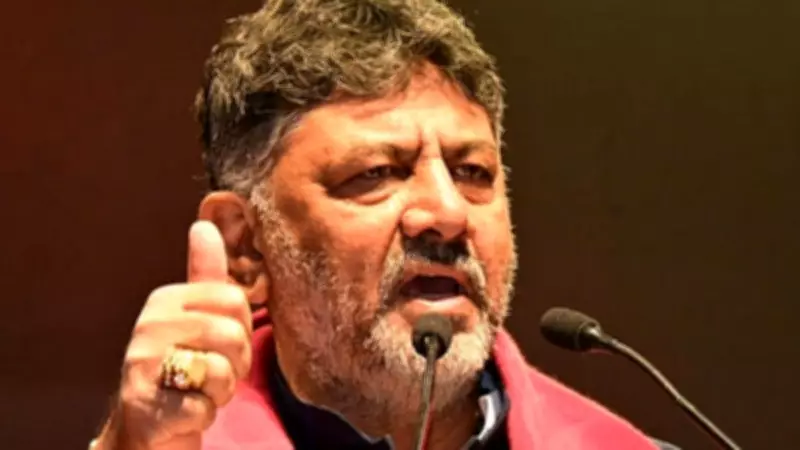
Karnataka Deputy Chief Minister D K Shivakumar is scheduled to meet with Members of Parliament from the state in Delhi on March 17, 2026. The high-level meeting aims to address the recent objections raised by the neighboring state of Andhra Pradesh regarding Karnataka's Upper Krishna project. This interstate water dispute has escalated tensions between the two southern states, prompting urgent political discussions.
Andhra Pradesh Raises Objections to Karnataka's Water Utilization Plans
Shivakumar emphasized that Karnataka is merely preparing to utilize its rightful share of water as mandated by the Krishna Water Disputes Tribunal's final order issued in 2010. The tribunal allocated specific water quantities to each riparian state, including Karnataka, Maharashtra, and Andhra Pradesh. However, Andhra Pradesh has formally objected to Karnataka's implementation of the Upper Krishna project, claiming it could adversely affect water availability downstream.
The Deputy Chief Minister clarified, "We are not exceeding our allocated share. Karnataka is only exercising its legal right to use the water as per the tribunal's decision. The objections from Andhra Pradesh are unfounded and could hinder development projects crucial for our state's agriculture and drinking water needs."
Historical Context of the Krishna River Water Dispute
The Krishna River, one of India's major waterways, has been a source of contention among the states of Maharashtra, Karnataka, and Andhra Pradesh for decades. The 2010 tribunal award was intended to provide a definitive allocation, but implementation challenges and changing hydrological conditions have led to ongoing disputes. The Upper Krishna project in Karnataka involves constructing reservoirs and canals to harness water for irrigation, hydropower, and domestic use, which Andhra Pradesh argues might reduce flow into its territory.
Key aspects of the dispute include:
- Water sharing agreements based on the 2010 tribunal order
- Infrastructure development under the Upper Krishna project
- Potential impacts on agricultural and drinking water supplies in both states
- Political and legal ramifications of interstate water conflicts
Strategic Meeting in Delhi to Forge a Unified Response
The meeting in Delhi on March 17 will bring together Karnataka's MPs from both the Lok Sabha and Rajya Sabha to discuss strategies for countering Andhra Pradesh's objections. Shivakumar aims to coordinate a unified political and legal response to safeguard Karnataka's interests. The agenda is expected to cover:
- Reviewing the technical and legal merits of Andhra Pradesh's objections
- Planning potential interventions with the central government
- Exploring diplomatic channels to resolve the dispute amicably
- Ensuring that Karnataka's development projects proceed without undue delay
This development underscores the persistent challenges in managing interstate water resources in India, where competing demands often lead to political standoffs. The outcome of the Delhi meeting could influence future water governance and interstate relations in the region.