Maharashtra Government Initiates Sector-Wise Commercial LPG Rationing
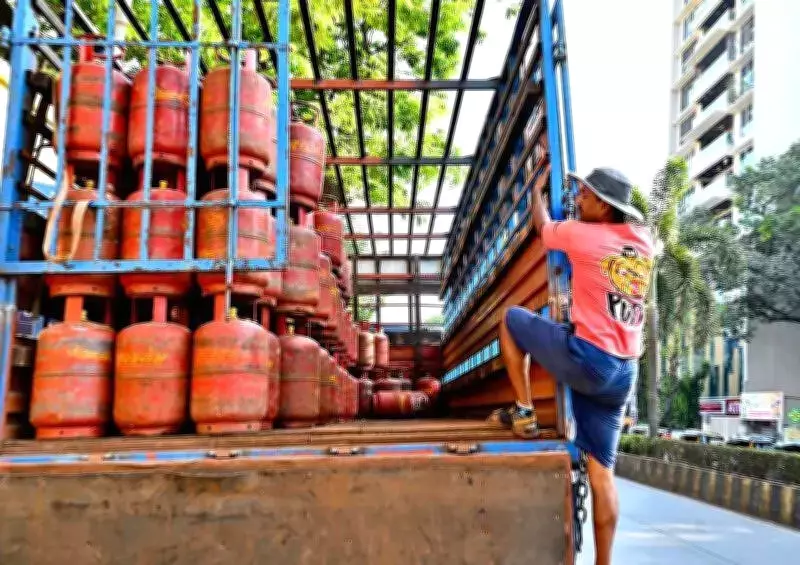
The Maharashtra government has commenced a structured, sector-wise rationing system for commercial liquefied petroleum gas (LPG) cylinders. This decisive action follows a directive from the central government instructing district collectors to prioritize essential services when allocating gas supplies across cities, towns, and villages throughout the state.
Priority List and Supply Percentages Established
In official letters issued on March 13 and 14 by the state's Food, Civil Supplies, and Consumer Protection Department, district collectors have been mandated to strictly adhere to a newly established priority list for distributing commercial LPG within their jurisdictions. The state government has clearly defined supply percentages for various economic and service sectors to manage the available resources effectively.
The top-priority category, guaranteed 100% of their LPG supply requirements, includes:
- Healthcare Institutions: Both government and private hospitals.
- Educational Institutions: Schools, colleges, hostels, and all other educational facilities. The government has issued separate instructions to ensure pre-primary schools, secondary schools, and aided institutions also receive full allocation.
- Key Public Services: Sanitation facilities, milk collection centers, and community kitchens (annachatra).
This full-supply mandate is designed to guarantee uninterrupted cooking and operational needs in these critical sectors, which are vital for public welfare and continuity.
Allocation Caps for Other Sectors
For other commercial sectors, the government has implemented allocation caps based on their essential nature and demand.
The hospitality sector, encompassing restaurants, hotels, roadside dhabas, tourism establishments, and religious or public gathering places, will receive LPG allocation capped at 90% of their total demand.
Transport services face more significant restrictions. The Maharashtra State Road Transport Corporation (MSRTC) is eligible for only 50% of its LPG supply requirements under the new system.
Industrial units, seed processing facilities, and fisheries have been assigned a 40% supply allocation, reflecting their lower priority in the current rationing framework compared to essential daily services.
Immediate Implementation and Compliance
State authorities have confirmed that this priority-based distribution system will be implemented immediately. District administrations are tasked with coordinating closely with LPG distributors to ensure full compliance with the new allocation guidelines. The move aims to create a transparent and equitable distribution mechanism during a period of constrained supply.
Emerging Shortages in Public Hospitals
Meanwhile, reports indicate that LPG shortages have already begun affecting some of Mumbai's public hospitals. Officials from state-run J J Hospital in Byculla and the central government-run Advanced Centre for Treatment, Research and Education in Cancer (ACTREC) at the Tata Memorial Centre's Kharghar unit confirmed that food availability for doctors and staff has been impacted. However, they clarified that food preparation for patients has not been affected so far, highlighting the critical nature of maintaining hospital operations.
This sectoral rationing plan represents a significant administrative step to manage LPG resources strategically, balancing the needs of essential services against broader commercial and industrial demand during a period of supply constraints.