Ropar District on High Alert: 70 Villages Face Landslide Threat After Monsoon Floods
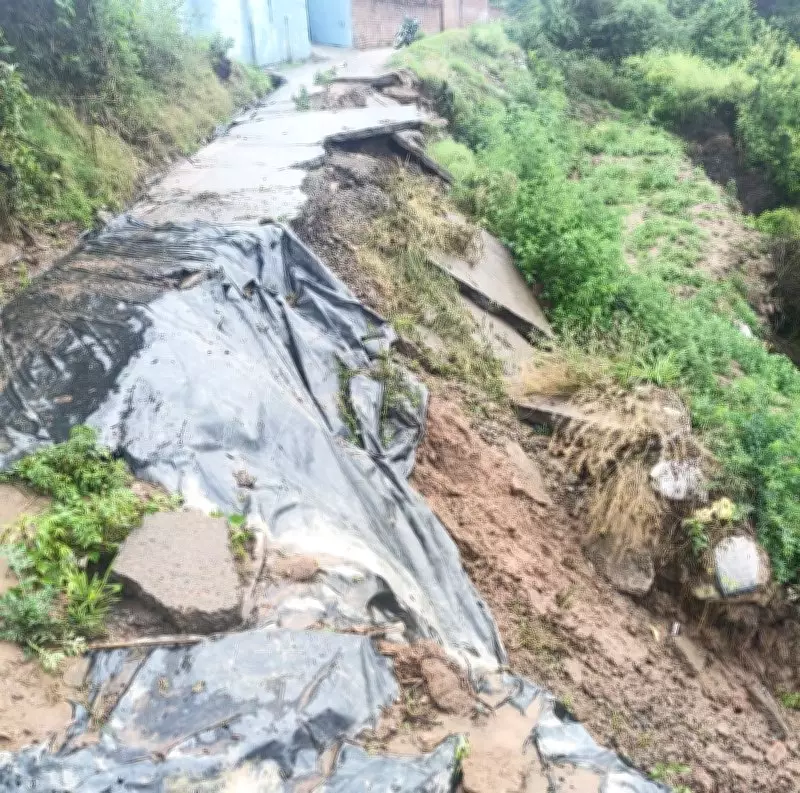
The Ropar district in Punjab is currently on high alert as authorities warn of a severe landslide threat affecting 70 villages in the aftermath of the devastating 2025 monsoon floods. This alarming situation has put local communities on edge, with residents expressing deep concerns over their safety and the stability of their homes.
Post-Flood Geological Instability
The recent monsoon floods, which wreaked havoc across the region in 2025, have significantly destabilized the terrain in Ropar. Heavy rainfall and subsequent waterlogging have eroded soil and weakened slopes, creating conditions ripe for landslides. Geological experts point to the saturation of soil and the loss of vegetation as key factors contributing to this heightened risk.
Emergency measures are being implemented to monitor vulnerable areas and evacuate residents if necessary. Local officials have been conducting surveys to assess the extent of the damage and identify the most at-risk locations.

Impact on Local Communities
The threat has cast a shadow over the daily lives of villagers, many of whom are still recovering from the flood damage. Fear and uncertainty prevail as families worry about potential landslides that could destroy property and endanger lives. Community leaders are urging swift action from government agencies to provide support and ensure public safety.
Key concerns include:
- Structural damage to homes and infrastructure
- Disruption of essential services like water and electricity
- Psychological stress among residents
- Economic losses due to potential evacuations
Government Response and Preparedness
In response to the crisis, the Punjab government has mobilized disaster management teams to Ropar. Efforts are focused on:
- Deploying early warning systems in high-risk zones
- Coordinating with local authorities for evacuation plans
- Providing temporary shelters and relief supplies
- Conducting awareness campaigns on safety protocols
Long-term solutions are also under discussion, such as reinforcing slopes and improving drainage systems to mitigate future risks. However, immediate attention is directed toward safeguarding the affected villages from imminent danger.
Broader Implications for Punjab
This situation highlights the broader challenges faced by Punjab in managing natural disasters, particularly in the wake of climate change. The 2025 monsoon floods have exposed vulnerabilities in the state's infrastructure and disaster preparedness, prompting calls for more robust policies and investments in resilience.
As Ropar remains on edge, the focus is on preventing a catastrophe and ensuring the well-being of its residents. Continued vigilance and coordinated efforts will be crucial in navigating this critical period.