Rajasthan's Sand Auction Process Crawls, Prices Remain Sky-High
Months after the Rajasthan government initiated fresh steps to auction sand mining leases, affordable sand remains largely unavailable across the state. Industry players describe the auction process as moving at a snail's pace, crippled by procedural hurdles and regulatory bottlenecks.
Slow Progress in Auctioning Mining Plots
The state's mining department recently began the process to auction 12 sand mining plots across four districts: Jodhpur, Kota, Pali, and Nagaur. However, stakeholders report that multiple procedural hurdles, including stringent environmental clearances and complex regulatory requirements, have significantly slowed progress.
While approximately 200 mining plots were expected to be allotted under the state's initiative, industry sources confirm that fewer than 30 have been actually allotted so far. This substantial shortfall has created a severe supply crunch in the market.

Legal and Environmental Hurdles Compound the Crisis
The issue gained prominence after the Rajasthan High Court quashed the state's 2024 auction of 93 gravel mining leases in four districts. The court sought a detailed explanation from the state government regarding how natural replenishment of sand and gravel would occur post-extraction. Furthermore, the court flagged the absence of a scientific assessment of natural recharge for mined material.
A senior official source stated, "To start these mining operations, the state government has moved the Supreme Court and a reply has been filed. However, there has been no relief so far."
Industry Voices Concerns Over Delays and Illegal Trade
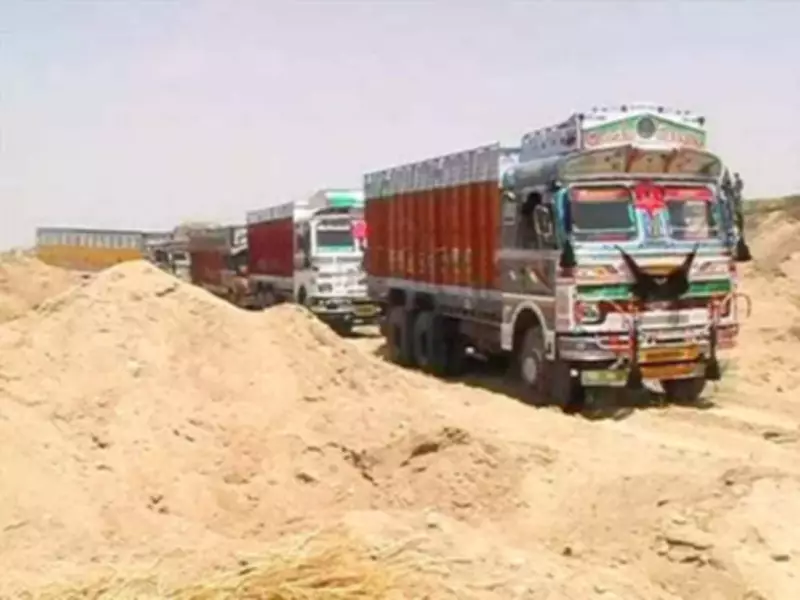
Industry representatives highlight that the combined effect of court scrutiny, environmental clearance requirements, and procedural delays has severely hampered the operationalization of legal mining sites. This vacuum has inadvertently allowed illegal transportation of sand to continue unabated, while prices remain stubbornly high.
"Auctions are moving very slowly, and even after the process begins, obtaining environmental clearance takes considerable time. As a result, sand is reaching the market through illegal channels, and prices remain elevated," explained a representative from the mining sector.
Soaring Market Prices and Regulatory Guidelines
Market sources report that the current price of bajri (sand) in several areas has surged to Rs 1,350 to Rs 1,500 per tonne. This is significantly higher than the projections under the state's mining policy, placing a heavy burden on construction and infrastructure projects.
Experts also point to guidelines approved by the Supreme Court, based on recommendations from the Central Empowered Committee. These guidelines mandate a five-year gap after a mining lease expires to allow for natural replenishment of riverbed material. Additionally, they require a comprehensive scientific study of sand recharge, adding another layer to the already complex regulatory framework.
The ongoing delays in auctioning legal mining sites, coupled with stringent environmental norms and legal challenges, have created a perfect storm. This situation not only sustains high sand prices but also perpetuates illegal mining activities, undermining the state's efforts to regulate the sector effectively.