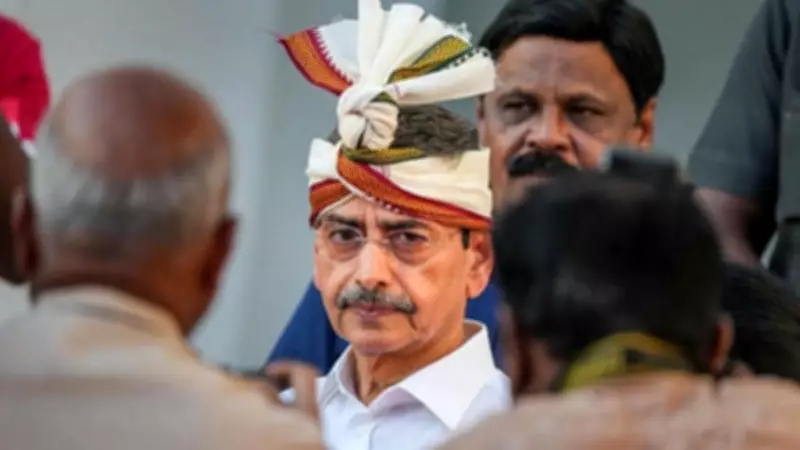
R N Ravi's Appointment in Bengal: A Strategic Move Amid Political Friction
The transfer of R N Ravi to West Bengal as Governor has emerged as a significant development in Indian politics, occurring at a time when tensions between the Union government and non-BJP-ruled states are notably high. This move is seen as part of a broader pattern of political maneuvering, with implications for governance and federal relations across the country.
Timing and Context of the Transfer
Ravi's appointment comes against a backdrop of escalating disputes between the central administration and states governed by opposition parties. Analysts suggest that this timing is not coincidental, as it may influence the political dynamics in West Bengal, a state with a history of robust regional leadership and frequent clashes with New Delhi. The role of Governor, often viewed as a ceremonial position, can become a focal point in such conflicts, especially when used to assert central authority or monitor state activities.
Implications for Center-State Relations
The move raises questions about the future of federalism in India, as similar appointments have previously led to standoffs over policy implementation and administrative control. In West Bengal, where the ruling party has often criticized central interventions, Ravi's presence could either ease tensions or exacerbate them, depending on his approach and the state government's response. This situation mirrors broader trends where non-BJP states accuse the Union of overreach, while the center emphasizes national unity and compliance with central directives.
Political Reactions and Public Discourse
Reactions to Ravi's transfer have been mixed, with supporters highlighting his experience and potential to foster cooperation, while opponents view it as a political tactic to undermine state autonomy. Public discourse has intensified, with debates on social media and in news outlets focusing on the balance of power between Delhi and Kolkata. This appointment may set a precedent for how similar situations are handled in other states, influencing electoral strategies and coalition politics ahead of upcoming elections.
Looking Ahead: Potential Outcomes
As R N Ravi assumes his role, observers will closely watch for signs of collaboration or conflict. Key areas to monitor include policy alignments, communication channels, and any incidents that could escalate tensions. The outcome may shape not only Bengal's political landscape but also the broader narrative of center-state relations in India, potentially impacting legislative processes and public trust in governance institutions.