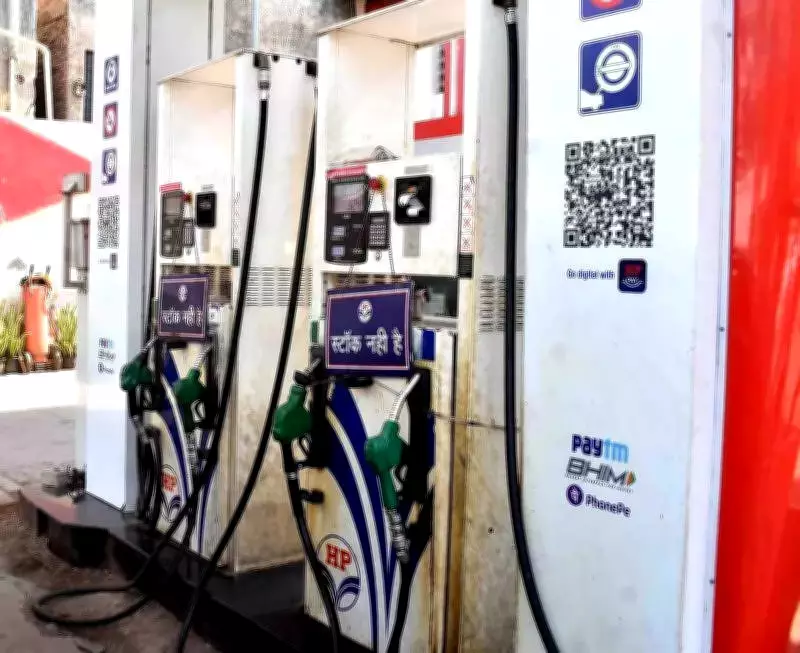
Prayagraj Witnesses Panic Fuel Buying Despite Stable Supply Assurances
Despite the Central government assuring that fuel supply across India remains stable and retail outlets are operating normally amid ongoing developments in West Asia, petrol pumps in Prayagraj experienced widespread panic buying on Thursday. Rumours of a potential fuel shortage sparked this rush, leading to chaotic scenes across the city.
Serpentine Queues and Customer Unrest
In the trans-Ganga and trans-Yamuna areas of the district, people formed long queues at fuel stations since early morning. Many had to wait for hours to fill their tanks, causing frustration and noisy disturbances. Authorities at some petrol pumps were forced to call police to manage the situation as customers created unruly scenes.
Government and Local Administration Responses
The Ministry of Petroleum and Natural Gas issued a statement clarifying, "All retail outlets are operating normally across the country. There are adequate stocks of petrol and diesel available at all petrol pumps." Similarly, the local administration urged citizens not to believe rumours and avoid panic buying, emphasizing that fuel reserves are sufficient.

Impact on Fuel Stocks and Demand
Fuel dealers reported a sharp spike in demand, with bikers increasingly opting to fill their tanks, leading to faster depletion of stocks. A manager at a local fuel pump explained, "Petrol pumps with an average storage capacity of around 5,000 litres, which typically lasted three to four days, are now running dry sooner in the past two days due to rumours." He added that most pumps have reserves to meet demand for the next month, well above normal levels.
Context of West Asia Developments
This panic buying occurs against the backdrop of tensions in West Asia, including reports such as the Israel-Iran conflict, incidents involving Indian nationals in Abu Dhabi, and diplomatic moves like Iran handing Hormuz pass access to countries including India. However, government assurances aim to prevent such localized disruptions from affecting national fuel stability.