Odisha Government Implements Security Measures and Reviews Essential Supplies Amid West Asia Tensions
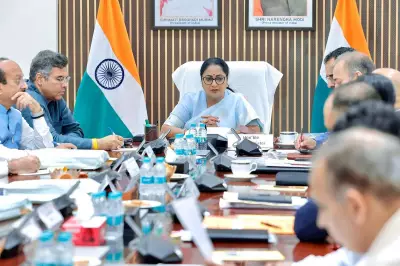
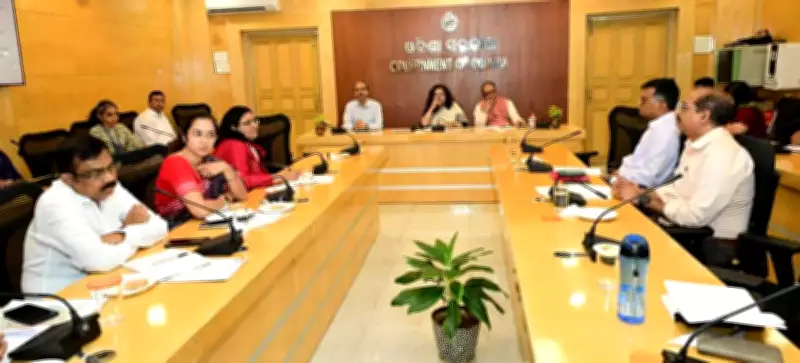
The state government of Odisha has taken decisive action to tighten security arrangements around LPG dealer stations and petrol pumps across the state. This move comes alongside efforts to ensure adequate fertilizer stock in all districts, as concerns mount that the escalating conflict in West Asia could disrupt fuel and essential commodity supply chains. The decision was made during a high-level meeting chaired by Chief Secretary Anu Garg to review and monitor the conflict's impact on the state's economy, according to an official government statement.
Enhanced Security and Law Enforcement Measures
Director General of Police Y B Khurania has assured that police will take all necessary steps to maintain law and order around LPG outlets and petrol pumps. This security reinforcement follows reports of loot incidents at four fuel filling stations in Keonjhar district, highlighting the urgency of the situation. The government is proactively addressing potential vulnerabilities to prevent panic and ensure public safety.
Promoting Electric Vehicles and Alternative Transport
In a forward-thinking initiative, the meeting agreed in principle to encourage citizens to switch to electric vehicles as an alternative mode of transport. This strategy is supported by plans to develop a stronger EV-charging infrastructure, aimed at instilling buyer confidence and reducing dependence on traditional fuels. A senior government officer emphasized that this shift could provide long-term resilience against fuel supply disruptions.

Agricultural Preparedness and Fertilizer Management
The government has advised the agriculture department to conduct a thorough review of the availability of urea and NPK fertilizers. Officials are directed to seek additional allocation from the central government if required and explore substitutes such as organic and bio-fertilizers. This proactive approach aims to safeguard agricultural productivity and mitigate potential shortages that could arise from supply chain interruptions.
Economic Implications and Sectoral Impact Analysis
During the meeting, officials discussed in detail the macroeconomic and sectoral implications of the West Asia conflict on India, with a specific focus on Odisha. It was observed that the region accounts for a substantial share of India's trade, and a prolonged conflict could lead to increased crude oil prices, disrupted supply chains, higher freight and insurance costs, and a weakened currency. These factors may collectively fuel inflation, widen the current account deficit, and slow economic growth.
Key sectors in Odisha are particularly vulnerable:
- Marine products, agricultural produce, processed minerals, chemicals, and allied industries could be hit due to significant export links to West Asian markets.
- Industries may face raw material shortages and rising production costs, exacerbating economic strain.
- The fisheries sector is already showing stress from falling demand in West Asian countries.
- Higher energy and fertilizer costs could further impact agriculture and related activities, threatening food security and rural livelihoods.
Strategic Measures and Future Directions
The meeting reviewed measures undertaken by the central government to ensure energy security, stabilize supply chains, facilitate exports, and mitigate risks for exporters. It stressed the strict implementation of these measures in Odisha to maintain stability in the supply of essential commodities like petrol, diesel, and LPG. Confidence-building steps are being prioritized to prevent consumer panic and ensure market stability.
Chief Secretary Anu Garg emphasized the need for continuous monitoring of the evolving situation and its economic impact on the state. She directed departments to track sectoral developments closely, ensure timely policy interventions, and explore alternative markets and supply mechanisms to mitigate risks. Additionally, she called for:

- Quick rollout of PNG distribution systems to diversify energy sources.
- Setting up more LNG terminals at ports to meet future energy needs.
- Ramping up coal production to reduce dependence on LPG and other petroleum products.
Senior officials, including Development Commissioner Deoranjan Kumar Singh and Additional Chief Secretary (Home) Hemant Sharma, attended the meeting, underscoring the government's comprehensive approach to addressing these challenges. The state's proactive stance aims to safeguard its economy and essential services against the backdrop of global geopolitical tensions.