Mandya Sanitation Workers Stage Protest Demanding Wage and Benefit Implementation
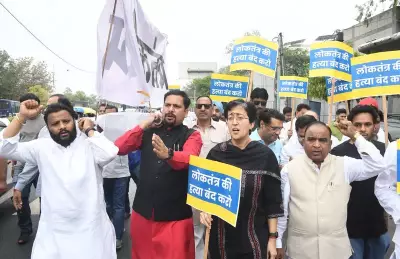
Sanitation workers from gram panchayats across Mandya, KR Pet, Maddur, Malavalli, and Srirangapatna taluks staged a significant protest outside the Mandya zilla panchayat office on Monday. The demonstration was organized to demand the immediate implementation of government orders concerning minimum wages, housing, and various welfare benefits.
Key Demands and Allegations
Led by Sanitation Workers' Association state president DR Raju, the protesters raised slogans against the government, accusing officials of denying workers their rightful dues despite clear directives. The workers highlighted that they continue to receive monthly wages between Rs 12,000 and Rs 14,000, which is far below the revised minimum wage of Rs 21,501 that came into effect in March 2025.
In addition to wage disparities, the workers alleged that authorities have failed to pay provident fund benefits, provide adequate housing, or extend the Rs 20 lakh insurance and gratuity benefits to families of deceased or retired workers. They emphasized that repeated representations to officials have drawn no response, leaving many workers struggling to make ends meet in the face of rising living costs.

Protest Details and Participants
The protest saw active participation from key association leaders, including district president Muttanahalli Mahesh, along with Basaralu Manju, Madanakuppe Bannari, Krishna, Bank Ranganna, CR Viji, Murugesh, Srinivas, R Babu, and Dineshkumar. These leaders voiced the collective frustration of the sanitation workforce, warning that the agitation would intensify if their demands remained unmet.
The workers' demands are rooted in long-standing issues of economic insecurity and lack of social security measures. They argue that the failure to implement government orders not only violates their rights but also undermines public health and sanitation efforts in the region.
Broader Implications and Future Actions
This protest underscores the ongoing challenges faced by sanitation workers in rural and semi-urban areas, where enforcement of labor laws and welfare schemes often lags. The workers' call for action highlights the need for greater accountability and prompt implementation of policies designed to protect vulnerable labor groups.
If the authorities do not address these concerns, the sanitation workers have vowed to escalate their protests, potentially disrupting services and drawing wider attention to their plight. The situation calls for urgent intervention to ensure fair wages and benefits, aligning with government mandates to improve the livelihoods of essential workers.