Yuvagalam Padayatra: The Political Journey That Redefined Nara Lokesh's Leadership
What commenced as an ambitious political march from Kuppam has evolved into a defining movement that fundamentally transformed both Andhra Pradesh's political landscape and the leadership trajectory of Telugu Desam Party national general secretary Nara Lokesh. Three years after its inception, Yuvagalam, the marathon padayatra spearheaded by Lokesh, stands recognized not merely as a protest march but as the crucible that reshaped public discourse and forged a new generation of political leadership with statewide resonance.
The Unprecedented Journey: Numbers That Tell a Story
Launched on January 27, 2023, at the sacred site of Sri Varadaraja Swamy in Kuppam, Yuvagalam spanned an extraordinary 3,132 kilometers over 226 relentless days. The padayatra traversed:
- 11 erstwhile districts of Andhra Pradesh
- 97 Assembly constituencies
- 232 mandals and municipalities
- 2,097 villages across the state
The political impact proved undeniable when coalition candidates secured victories in 90 of the 97 Assembly constituencies covered by the yatra, demonstrating its role as a decisive electoral force rather than symbolic political theater.

Personal Transformation: From Political Scion to People's Leader
For Lokesh, Yuvagalam marked a profound personal and political metamorphosis. Previously perceived primarily as a second-generation leader, he emerged from the grueling journey as a grounded, accessible, and combative mass leader—forged through endurance, constant public engagement, and deep immersion in grassroots realities.
"At a time when youth were grappling with unemployment and despair, women felt increasingly unsafe, and common citizens were burdened by indiscriminate taxation and rising living costs, Nara Lokesh assured people that he stood firmly with them," remarked energy minister Gottipati Ravi Kumar, highlighting the emotional connection established during the march.
Relentless Determination: Overcoming All Obstacles
The padayatra maintained remarkable continuity despite significant challenges. Unlike what party leaders described as the casual approach of previous administrations, Yuvagalam witnessed no routine weekly breaks. Except for unavoidable interruptions—including the arrest of TDP president N Chandrababu Naidu and the demise of Nandamuri Taraka Ratna—the march continued with unwavering determination.
"Even extreme conditions failed to halt the march—whether it was 48-degree Celsius heat in Rayalaseema, torrential rains in Yemmiganur, or physical injury caused by massive crowds in Nandyal. Despite doctors advising rest, Lokesh continued with unwavering resolve," recalled party legislator MS Raju, emphasizing the physical and mental endurance demonstrated throughout the journey.
Grassroots Engagement: Direct Connection with Citizens
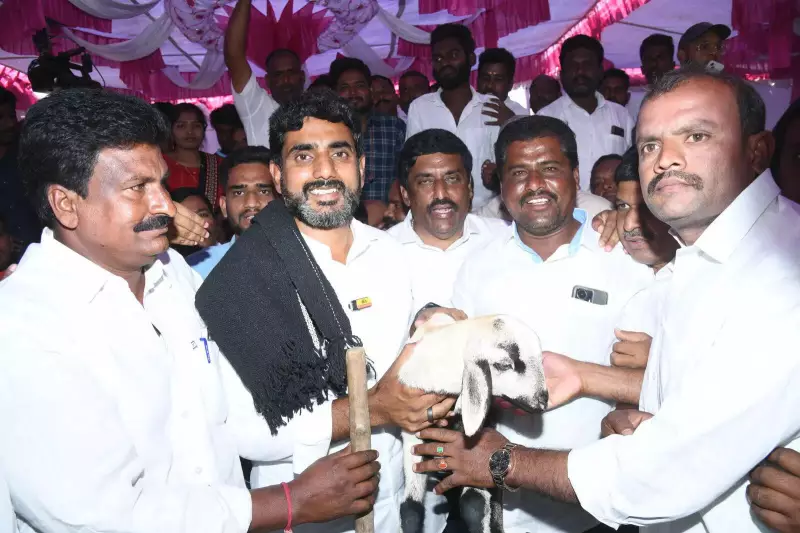
During the extensive yatra, Lokesh engaged in comprehensive public interactions that included:
- 70 public meetings addressing diverse audiences
- 155 face-to-face interactions with citizens
- 12 special programs focusing on specific community issues
- 8 Rachabanda initiatives facilitating direct grievance redressal
He particularly set a record by undertaking an extensive padayatra across Rayalaseema—covering 1,587 kilometers over 124 days through 44 Assembly constituencies—where unprecedented public response reportedly unsettled the ruling YSRCP despite attempts to obstruct the march.
Yuvagalam 2.0: Renewed Momentum After Temporary Pause
Following a 79-day pause necessitated by Naidu's arrest, Yuvagalam 2.0 resumed on November 27 at Podalada in Razole constituency, drawing crowds that reportedly doubled in size compared to earlier phases. The renewed march witnessed massive participation from diverse sections including:

- Women from various communities
- Backward Class communities
- Fishermen and agricultural workers
- Retired government employees
- AgriGold victims seeking justice
- Meeseva staff and other government service providers
- TDP–Jana Sena cadres and supporters
During this phase, Lokesh conducted prolonged interactions, studied grievances in depth, and offered specific assurances to different communities.
From Padayatra to Power: Administrative Transformation
Post-elections, Lokesh's transformation has deepened significantly. As a cabinet minister handling core portfolios of Human Resource Development and Information Technology, he has emerged as one of the most proactive faces of the government. His current responsibilities include:
- Attracting global investments to Andhra Pradesh
- Engaging with multinational corporations and policy-makers
- Positioning the state as a competitive destination for technology, education, and industry
Equally significant is his evolving role within the party structure. Lokesh has become a focal point for TDP functionaries—from grassroots cadres to MLAs, ministers, MPs, and even Union ministers. Known for his humble, affable, and down-to-earth demeanor, he consistently makes himself accessible to party workers during district tours and visits to New Delhi.
Promises to Implementation: Translating Vision into Governance
The commitments made during Yuvagalam are now transitioning from political rhetoric to concrete implementation. Chief minister Chandrababu Naidu signed the Mega DSC file at the swearing-in ceremony, leading to notifications and completion of recruitment within 150 days—resulting in 15,941 teacher appointment letters being distributed.
"As promised by Lokesh, efforts are underway to generate 20 lakh jobs over five years. So far, MoUs worth ₹23.5 lakh crore, with potential to create 16 lakh jobs, have been signed," stated industries minister TG Bharath, citing investments by global and national giants including Google, ArcelorMittal & Nippon Steel, TCS, Cognizant, and LG Electronics.
With a detailed action plan and dedicated administrative mechanism now in place, government officials assert that Yuvagalam was not merely a political march but the foundation of a leadership journey that continues to translate vision into practical governance, reshaping both the political narrative and administrative priorities in Andhra Pradesh.