

Kolkata Metro Blue Line Faces Another Service Halt Due to Suicide Attempt
Services on the Kolkata Metro's Blue Line were severely disrupted on Sunday morning following an alleged suicide attempt by a passenger at Rabindra Sarobar station. This incident marks the second such occurrence at the same location within a span of just four days, raising serious concerns about passenger safety and operational vulnerabilities.
Details of the Sunday Morning Incident
According to official Metro sources, the disruption occurred around 10:45 AM when a man jumped in front of a moving train that was traveling from Shahid Khudiram station towards Dakshineswar. The train driver promptly applied the emergency brakes, bringing the vehicle to an immediate halt. To facilitate rescue operations, power to the tracks was swiftly disconnected, leading to a temporary suspension of services.
An official statement revealed that truncated services were maintained between Maidan and Dakshineswar stations during the disruption. Normal operations across the entire Blue Line stretch resumed by 11:33 AM, but not before causing significant inconvenience to commuters.

Passenger Experiences and Commuter Impact
A passenger aboard the affected train described the sudden braking as jarring, noting that many individuals were thrown off balance. "The train had already entered halfway into the station when the brakes were suddenly slammed," the passenger recounted. Official announcements about the accident were made approximately ten minutes later, after which evacuation procedures were initiated.
Services remained suspended from Maidan onwards, specifically between Rabindra Sadan and Shahid Khudiram stations. Regular announcements were broadcast at stations to keep commuters informed, prompting many to seek alternative transportation. Crowds began to accumulate at the affected stations, although the disruption was somewhat mitigated by it occurring on a Sunday, when passenger volumes are typically lighter compared to weekdays.
Recurring Safety Issues on the Blue Line
This incident follows a similar suicide attempt at Rabindra Sarobar station last Thursday, which disrupted services for nearly an hour during the evening rush. That event caused major inconvenience to office-goers, highlighting the heightened strain such disruptions place on weekday commuters.
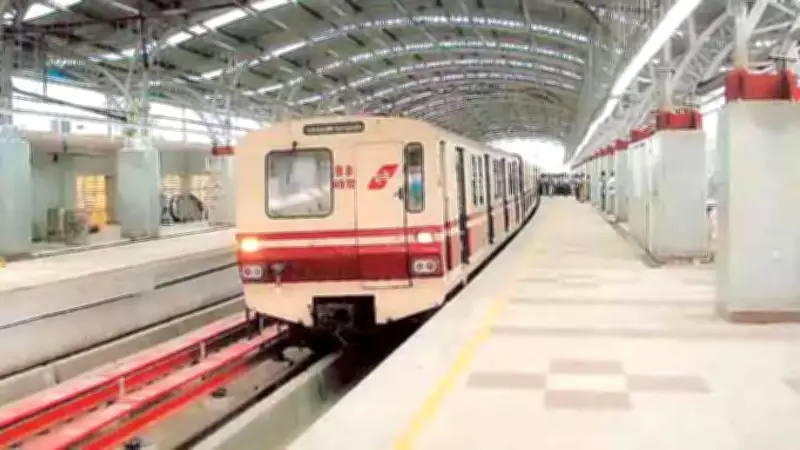
Suicide attempts have become a frequent occurrence on the Blue Line of the Kolkata Metro, leading to repeated service interruptions. A key factor contributing to this vulnerability is the exposed nature of the tracks. Unlike newer Metro routes in Kolkata, which are equipped with protective barriers such as platform screen doors, the Blue Line—being the oldest route—lacks these safety measures. Implementing such infrastructure has proven challenging due to the line's age and design constraints.
Broader Implications and Safety Concerns
The Kolkata Metro serves as an essential mode of transportation for the city, and disruptions like these underscore urgent safety needs. The Blue Line's exposure without protective barriers makes it particularly susceptible to such incidents, posing risks not only to individuals but also to the reliability of public transit. Authorities face increasing pressure to address these safety gaps, especially as the Metro continues to be a lifeline for daily commuters.
As investigations into the latest incident proceed, the focus remains on enhancing safety protocols and exploring feasible solutions to prevent future occurrences. The repeated disruptions at Rabindra Sarobar station call for immediate attention to infrastructure upgrades and mental health initiatives to safeguard both passengers and the efficiency of Kolkata's Metro system.






