Karnataka Government Files Supreme Court Petition to Ban Bike Taxis
In a significant legal development, the Karnataka state government has formally approached the Supreme Court of India, seeking a comprehensive ban on bike taxi services operating within its jurisdiction. This petition marks a decisive shift in the state's regulatory stance toward the burgeoning ride-hailing sector, which has seen rapid growth in urban centers like Bengaluru.
Contradiction with Chief Minister's Earlier Position
This move by the Karnataka government stands in stark contrast to the position previously articulated by Chief Minister Siddaramaiah. In a notable communication, CM Siddaramaiah had outlined a more accommodating view on bike taxis in a letter addressed to Congress leader Rahul Gandhi. The letter, which discussed transportation policies and urban mobility solutions, suggested a potential openness to regulating rather than prohibiting such services, highlighting their role in providing affordable last-mile connectivity and employment opportunities.
The government's current petition, however, argues for an outright ban, citing concerns over safety, regulatory compliance, and potential conflicts with existing transport laws. Legal experts indicate that this could lead to a heated debate in the Supreme Court, with implications for similar services across other Indian states.

Background and Implications
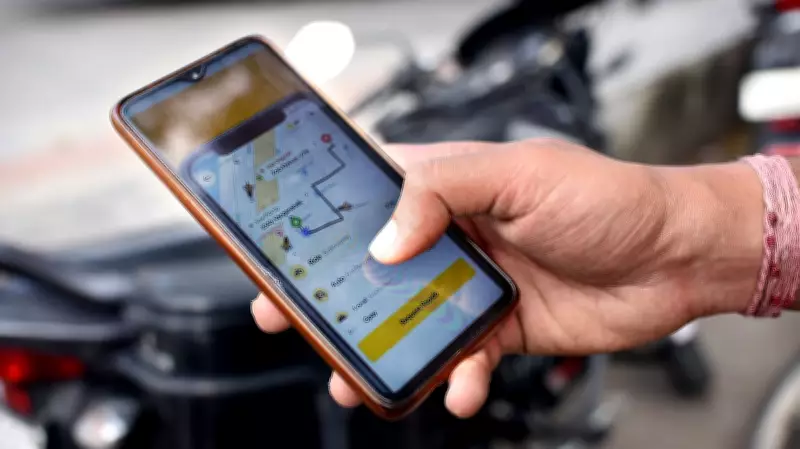
Bike taxis have become increasingly popular in Karnataka, particularly in congested metropolitan areas, offering a cost-effective and flexible alternative to traditional cabs and auto-rickshaws. Proponents argue that they ease traffic congestion and support gig economy jobs, while opponents raise issues about passenger safety, insurance coverage, and adherence to motor vehicle regulations.
The state government's petition is expected to trigger a broader discussion on the integration of new mobility solutions into India's legal framework. Stakeholders, including bike taxi operators, drivers, and commuters, are closely monitoring the case, as a Supreme Court ruling could set a precedent for nationwide policies.
This development underscores the evolving dynamics in Karnataka's political and administrative landscape, where policy directions can shift amid legal, economic, and social considerations. The outcome of this Supreme Court petition may significantly impact the future of urban transportation in the state and beyond.