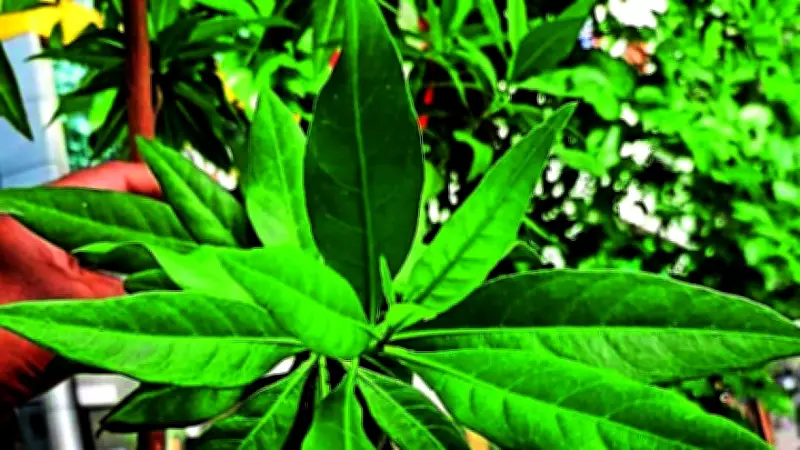
Karnataka High Court Mandates Review of Conocarpus Trees Following Public Interest Litigation
The Karnataka High Court has issued a directive to state authorities, compelling them to conduct a comprehensive review of Conocarpus trees planted across various regions. This judicial intervention comes in response to a Public Interest Litigation (PIL) that raised significant alarms regarding the potential health and environmental hazards associated with these non-native species.
PIL Highlights Alleged Risks of Conocarpus Plantations
The PIL, filed by concerned citizens and environmental activists, meticulously outlined a series of grievances linked to the widespread cultivation of Conocarpus trees. Petitioners argued that these trees, often introduced for their rapid growth and ornamental appeal, may pose serious threats to public health and local ecosystems. Specific concerns cited include allergic reactions among residents, adverse impacts on biodiversity, and possible soil degradation due to the trees' invasive root systems.
The court has explicitly asked the concerned departments to submit a detailed report assessing these allegations. Authorities are expected to evaluate scientific evidence, consult with experts, and propose actionable measures to mitigate any identified risks. This review process aims to balance urban greening initiatives with the imperative of safeguarding community well-being and environmental sustainability.

Judicial Scrutiny and Government Accountability
During the proceedings, the High Court emphasized the necessity of a proactive and transparent approach from government bodies. Judges underscored that while afforestation efforts are commendable, they must not compromise public health or ecological integrity. The court's order mandates that the review include an analysis of alternative tree species that could be promoted as safer substitutes, ensuring that green cover expansion aligns with holistic environmental goals.
This case highlights growing public awareness and legal activism around environmental issues in Karnataka. It reflects a broader trend where citizens are increasingly leveraging judicial mechanisms to hold authorities accountable for ecological management decisions. The outcome of this review could set a precedent for how similar concerns are addressed in other states, influencing urban planning and conservation policies nationwide.
Potential Implications and Future Steps
The directive from the Karnataka High Court is poised to have far-reaching implications for municipal horticulture and environmental governance. If the review confirms the alleged hazards, it may lead to:
- Immediate halting of new Conocarpus plantings in public spaces.
- Development of guidelines for the phased removal or replacement of existing trees.
- Enhanced public consultations in future greening projects to incorporate community feedback.
- Strengthened regulatory frameworks for introducing non-native plant species.
Authorities are now tasked with compiling a thorough report, which will be scrutinized by the court in subsequent hearings. This process is expected to involve collaboration between forest departments, health officials, and independent environmental researchers to ensure a balanced and evidence-based assessment.
In conclusion, the Karnataka High Court's intervention marks a critical juncture in the discourse on sustainable urban forestry. By mandating a rigorous review of Conocarpus trees, the judiciary reinforces the principle that environmental initiatives must prioritize long-term public health and ecological harmony over short-term aesthetic or logistical conveniences.