AIDA Urges Government to Fast-Track Flex-Fuel Vehicles Amid High Oil Prices
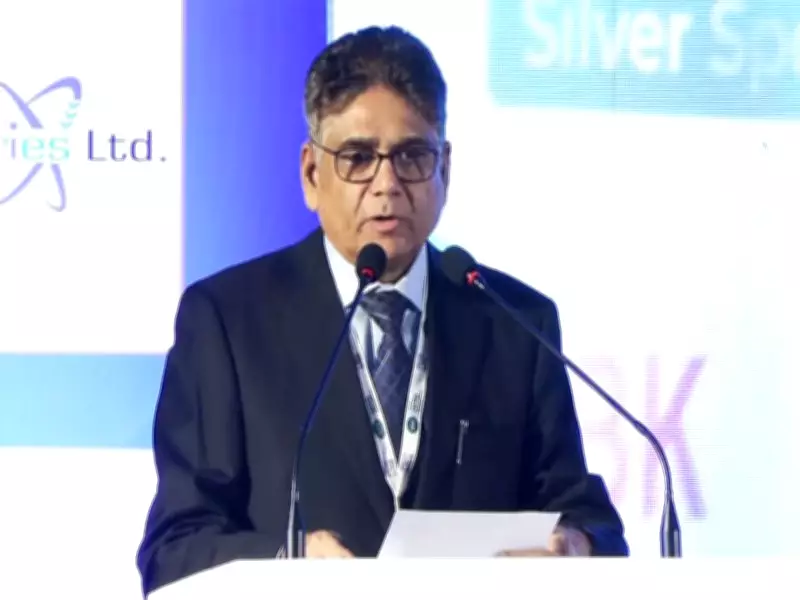
The All India Distillers' Association (AIDA) has formally requested the Indian government to enable the commercial rollout of flex-fuel vehicles. This appeal comes as domestic automakers have developed prototypes but require robust policy support and financial incentives to scale adoption, according to AIDA President Vijendra Singh.
Industry Push Amid Global Crude Oil Volatility
The request emerges against a backdrop of soaring crude oil prices in global markets, driven by escalating tensions in the Middle East that are disrupting fossil fuel supplies worldwide. Singh emphasized that flex-fuel technology is not new, citing Brazil's long-standing use of such vehicles. "Our suggestion to the government is to commercialize flex vehicles. Flex vehicle is not rocket science today. Brazil has been running flex vehicles for many, many years," he stated during the AIDA Annual Distillers' Conclave 2026 in New Delhi.
Readiness and Requirements for Implementation
Singh highlighted that numerous Indian companies are prepared with flex-fuel vehicle prototypes. However, he stressed the necessity for government assistance in terms of policy frameworks and potential tax relief to facilitate widespread adoption. "They will need some support from the government in terms of policy and maybe some tax relief," he added. The proposal aims to deploy both two-wheelers and four-wheelers under a flex-fuel system, which could significantly reduce petrol dependence. "If you bring flex vehicles into the country, imagine that many vehicles will run on ethanol. No petrol required. So, problem solved," Singh explained.

Broader Benefits and Ethanol Expansion
This initiative is part of a larger industry effort to expand ethanol usage and decrease reliance on expensive crude imports. Singh noted that high crude prices, coupled with a depreciating rupee, are straining India's import bill, and ethanol could alleviate this burden. The association has also advocated for increasing ethanol blending in petrol from 20% to 30%, aligning with practices in countries like Brazil. "We can substitute 10% more petrol with ethanol, which easily can be done," he said.
Economic and Rural Impacts
Higher ethanol adoption could yield substantial benefits for rural India, potentially boosting farmers' incomes. Singh estimated that 60,000 to 70,000 crore rupees annually flow into the rural economy from ethanol production, with suppliers of rice, corn, and sugarcane being primary beneficiaries. Additionally, the industry is exploring ethanol blending in diesel, with technical discussions underway with domestic and international experts. A prototype is being developed for submission to the government to demonstrate feasibility.
Policy Support and Future Directions
Singh revealed that AIDA has written to Prime Minister Narendra Modi outlining these recommendations, underscoring that policy support is crucial for implementation. "Nothing happens without policy," he asserted, adding that the industry is ready to collaborate with the government to scale ethanol use across various sectors. The association has also proposed investigating ethanol as an alternative to LPG for household use, citing its cleaner burning properties and existing applications in other countries, though adoption in India would depend on regulatory clarity and incentives.