Karnataka Budget 2026 Unveils Major Excise Policy Overhaul
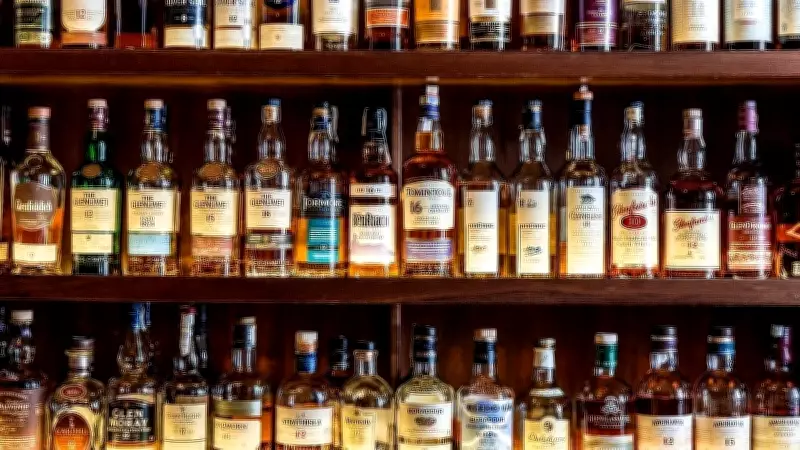
In a significant move announced in the Karnataka Budget for the fiscal year 2026, the state government has decided to deregulate liquor pricing, marking a departure from its long-standing practice of fixing prices. Starting from April 2026, the excise taxation system will undergo a fundamental shift, with taxes levied based on the actual alcohol content in beverages rather than the total volume. This policy change, unveiled by Chief Minister Siddaramaiah, aims to modernize the state's revenue collection from the alcohol sector and align it with more transparent and consumption-based principles.
End of Government-Fixed Liquor Prices
Historically, the Karnataka government has played a central role in determining the retail prices of alcoholic beverages across the state. However, the new budget proposal eliminates this control, allowing market forces to influence pricing. This deregulation is expected to introduce greater competition among manufacturers and retailers, potentially leading to varied price points for consumers. The move is part of a broader strategy to reduce bureaucratic intervention in the liquor industry and foster a more dynamic market environment.
Shift to Alcohol Content-Based Taxation
The core of the excise policy revision lies in the taxation methodology. From April 2026, taxes will no longer be calculated based on the total volume of liquor sold. Instead, they will be imposed according to the actual alcohol by volume (ABV) content. This means that beverages with higher alcohol concentrations will attract higher taxes, while those with lower alcohol levels will be taxed less. This approach is designed to create a fairer tax structure that correlates directly with the potency of the product, encouraging responsible consumption and potentially boosting revenue from premium, high-alcohol brands.
Key Implications of the Policy Change- Consumer Impact: Prices of liquor may fluctuate based on brand, alcohol content, and market demand, offering consumers more choices but requiring awareness of product strengths.
- Revenue Generation: The state anticipates enhanced tax collections by targeting high-alcohol beverages more effectively, which could support public welfare schemes.
- Industry Adaptation: Manufacturers and distributors will need to adjust their pricing and labeling strategies to comply with the new tax framework, potentially leading to innovation in product offerings.
This excise policy overhaul reflects Karnataka's commitment to reforming its fiscal policies in line with contemporary economic trends. By moving away from fixed pricing and volume-based taxes, the state aims to streamline operations, reduce evasion, and promote a more equitable system. The changes are set to take effect in the upcoming financial year, with stakeholders gearing up for a transitional period that could reshape the liquor landscape in Karnataka.