The Jannayak Janta Party (JJP) has embarked on a comprehensive review of its organizational framework, a significant move triggered by the massive turnout at its recent public rally in Julana. This strategic introspection aims to capitalize on the momentum and strengthen the party's grassroots structure across Haryana.
Post-Rally Momentum Sparks Organizational Overhaul
The catalyst for this review was the well-attended public meeting held in Julana on Sunday, March 23. The rally's success, marked by a large and enthusiastic crowd, has been interpreted by the party leadership as a strong indicator of public support. This has prompted a decisive shift from celebration to strategic action, focusing on channeling this energy into a robust party machinery.
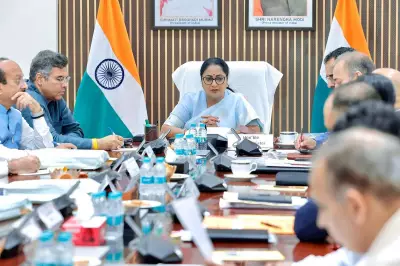
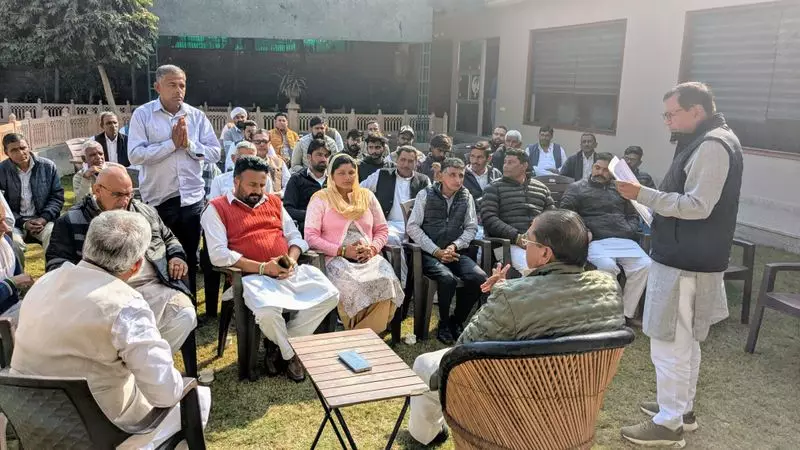
Leading this crucial organizational assessment is JJP leader and former Deputy Chief Minister, Dushyant Chautala. He has directed senior party officials and district-level leaders to conduct a thorough evaluation of the party's current structure and performance. The objective is clear: to identify strengths, address weaknesses, and create a more effective and responsive organization capable of meeting upcoming political challenges.

Focus on Strengthening Grassroots Connect
The review process is not merely an internal audit. It is fundamentally aimed at enhancing the party's connection with voters at the booth and village level. Instructions have been issued to party functionaries to actively engage with the public, gather feedback, and consolidate the support witnessed in Julana. This ground-level consolidation is seen as vital for translating rally success into electoral victories.
Key areas under scrutiny include membership drives, the effectiveness of local units, communication strategies, and preparedness for future electoral battles. The party is analyzing the demographic and regional response to the Julana rally to tailor its outreach programs accordingly.
Strategic Positioning for Haryana's Political Future
This organizational review underscores the JJP's intent to assert itself as a formidable and independent force in Haryana's political landscape. Coming after a period where the party was in alliance with the BJP in the state government, this move signals a phase of self-reliance and rebuilding. The massive Julana rally served as a confidence booster, proving the party's direct appeal to the electorate.
The timing of this exercise is politically significant. With an eye on future panchayat, municipal, and assembly elections, the JJP leadership is seeking to build a disciplined and motivated cadre. The message from the top is to convert public enthusiasm into a sustainable organizational framework that can deliver results on polling day.
In essence, the Julana rally has acted as a springboard for the JJP. The party is now moving to institutionalize that success by fortifying its foundations across all 90 assembly constituencies in Haryana. The outcome of this organizational review will likely shape the party's strategy and campaigning in the months to come.