Farmers and Tribal Communities March to Mumbai to Press for Demands
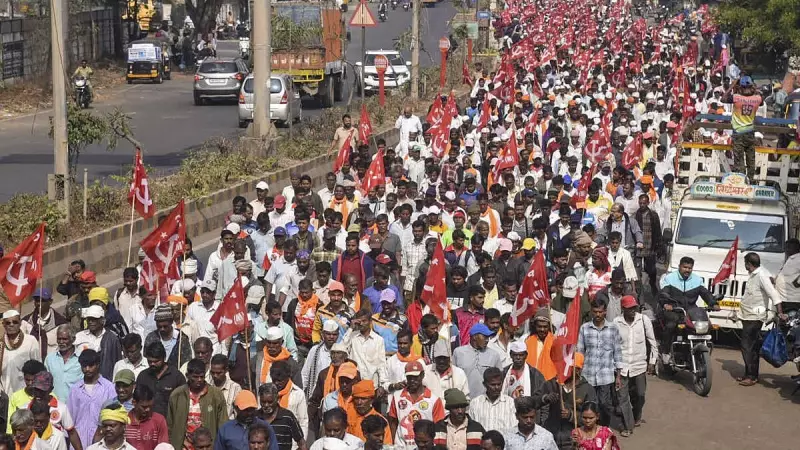
In a significant display of solidarity, a large contingent of farmers and tribal communities has marched to Mumbai to press for their long-standing demands. The protestors, who have been walking for nearly two days, covered a distance of approximately 60 kilometers before beginning their descent through the challenging terrain of Kasara Ghat on Tuesday morning.
Government Responds with Invitation for Talks
In response to the growing momentum of the march, the government has extended an invitation to a delegation from the protesting groups for talks. This move is seen as an attempt to address the concerns raised by the farmers and tribals before the situation escalates further. The invitation highlights the administration's willingness to engage in dialogue and find a peaceful resolution to the issues at hand.
Details of the March and Participants
The march, which originated from Nashik, has drawn participants from various rural and tribal areas across Maharashtra. The protestors, including a significant number of women and elderly individuals, have been walking tirelessly to bring attention to their demands, which reportedly include better agricultural support, fair prices for produce, and improved living conditions for tribal communities.

The journey through Kasara Ghat, known for its steep and winding roads, posed a considerable challenge for the marchers. Despite the physical exertion, the participants remained determined, showcasing their resolve to have their voices heard by the state authorities in Mumbai.
Broader Implications and Public Response
This march is part of a larger pattern of agricultural and tribal protests in India, reflecting ongoing discontent with government policies. The involvement of tribal communities adds a critical dimension to the protest, emphasizing the intersection of agricultural and indigenous rights issues.
Public response to the march has been mixed, with some expressing support for the protestors' cause, while others are concerned about potential disruptions in Mumbai. The government's prompt invitation for talks is being closely watched as a test of its commitment to addressing grassroots grievances.
As the situation develops, all eyes are on the upcoming discussions between the government delegation and the representatives of the farmers and tribals. The outcome of these talks could have significant implications for agricultural and tribal policies in Maharashtra and beyond.