Karnataka Coffee Plantation Worker Injured in Wild Elephant Attack
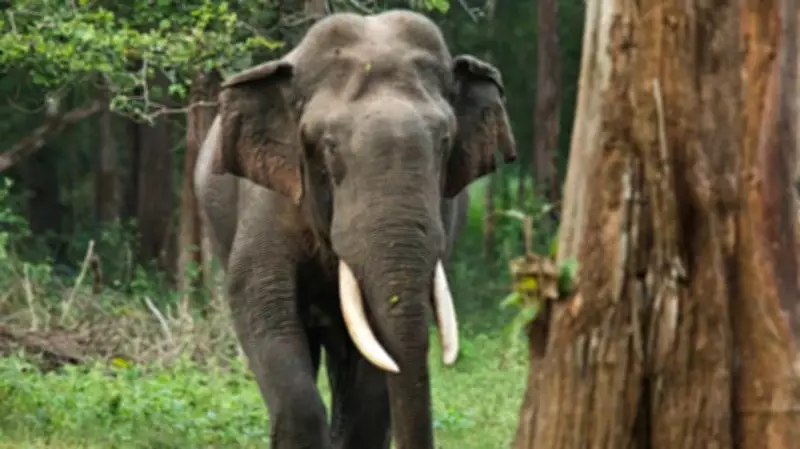
A coffee plantation worker in Karnataka sustained injuries after being attacked by a wild elephant, highlighting the escalating human-animal conflicts in the region's agricultural areas. The incident occurred in a coffee estate, where the worker was reportedly engaged in routine plantation duties when the elephant suddenly charged.
Neighboring Estates Declare Safety Holiday
In response to the attack, several neighboring coffee estates in the villages of G Hosahalli, Kaskebail, Kallugudda, Salumara, and Hosapura have declared a holiday for their workers. This precautionary measure aims to ensure the safety of plantation laborers by temporarily halting operations in areas where elephant movements have been reported.
The decision to suspend work reflects growing concerns among estate owners and managers about the risks posed by wild elephants encroaching into human settlements and agricultural lands. Authorities are investigating the incident to assess the circumstances leading to the attack and to implement strategies for mitigating future conflicts.

Rising Human-Elephant Conflicts in Karnataka
This attack underscores a broader trend of increasing human-elephant conflicts in Karnataka, particularly in regions where coffee plantations and wildlife habitats overlap. Factors such as habitat loss, deforestation, and changing land use patterns have forced elephants to venture into human-dominated areas in search of food and water.
Local communities and plantation workers often bear the brunt of these encounters, facing threats to their safety and livelihoods. The injured worker is currently receiving medical treatment, and details about their condition are being monitored by health officials.
Community and Government Response
Plantation owners and local authorities are collaborating to enhance safety protocols, including early warning systems, elephant-proof trenches, and community awareness programs. The holiday declaration serves as an immediate response to prevent further incidents while long-term solutions are explored.
Residents and workers in the affected areas have expressed relief at the precautionary measures but call for more sustained efforts to address the root causes of human-elephant conflicts. Wildlife experts emphasize the need for balanced conservation strategies that protect both elephant populations and human interests.
As investigations continue, this incident serves as a stark reminder of the challenges in managing wildlife interactions in agricultural landscapes, urging proactive measures to safeguard lives and promote coexistence.