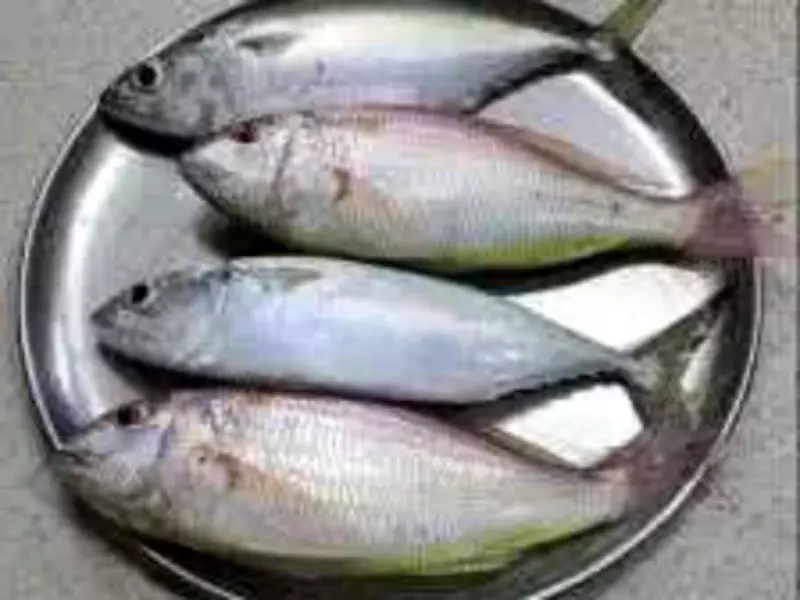
Chennai Faces Seafood Price Surge as Fishing Activity Dwindles Before Annual Ban
A dramatic reduction in fish landings at Chennai's primary Kasimedu fishing harbour, occurring more than two weeks ahead of the scheduled annual fishing prohibition, has triggered a severe spike in seafood prices throughout the city. The harbour, typically a hub of bustling activity, presented a deserted appearance on Monday, with numerous mechanized and deep-sea fishing vessels remaining docked.
Economic Pressures and Seasonal Decline Cripple Operations
Boat proprietors have pinpointed a dual crisis: a predictable seasonal drop in catch combined with an acute and costly shortage of commercial gas cylinders. These essential cylinders, now priced at approximately ₹7,000 each, have rendered many fishing expeditions financially unfeasible.
B. Muthukumar, secretary of the Deep-Sea Fishing Boat Owners' Association, elaborated on the scale of the problem. "The harbour is home to over 1,000 boats, yet very few have ventured out recently," he stated. "For a standard deep-sea voyage lasting beyond 15 days, fishermen require a minimum of three cylinders. At these exorbitant rates, the operational costs are simply unsustainable for a majority of boat owners."

Market Shelves Empty as Key Varieties Vanish
The supply chain disruption has led to critically low arrivals of staple fish varieties in Chennai's markets. Traders report severe shortages of popular species including:
- Seer fish (Vanjiram)
- Black pomfret (Karuppu Vaaval)
- Sankara
- Karva
K. B. Thirumal, an experienced fish trader, highlighted the scarcity of typically abundant weekend catches. "Varieties like sardines (Mathi), Seela, anchovies (Nethili), and squid, which usually flood the market over weekends, have become exceptionally rare," he explained. "Consumer demand for these fish remains robust, but the supply to the market has nearly halted."
City-Wide Impact and Official Explanations
The shortage has profoundly affected major markets like Chintadripet, where vendors confirm that soaring prices are a direct consequence of the supply crunch. These vendors noted that during the impending fishing ban period, the market will rely on fish supplies transported from Kerala.
Officials from the Fisheries Department have attributed the current decline to a customary pre-ban lull, a cyclical trend observed annually as fishermen gradually reduce their activities in anticipation of the two-month restriction period starting April 15. They anticipate that high seafood prices will likely persist until normal fishing operations resume in mid-June, following the conclusion of the ban.