Netaji's Grandnephew Chandra Bose Defects to TMC, Criticizes BJP's Ideals
In a significant political development just days before the West Bengal assembly elections, Chandra Bose, the grandnephew of legendary freedom fighter Netaji Subhas Chandra Bose, has officially joined the Trinamool Congress (TMC). This move marks a sharp departure from his previous affiliation with the Bharatiya Janata Party (BJP), which he accused of deviating from Netaji's principles.
Induction Ceremony and Public Accusations
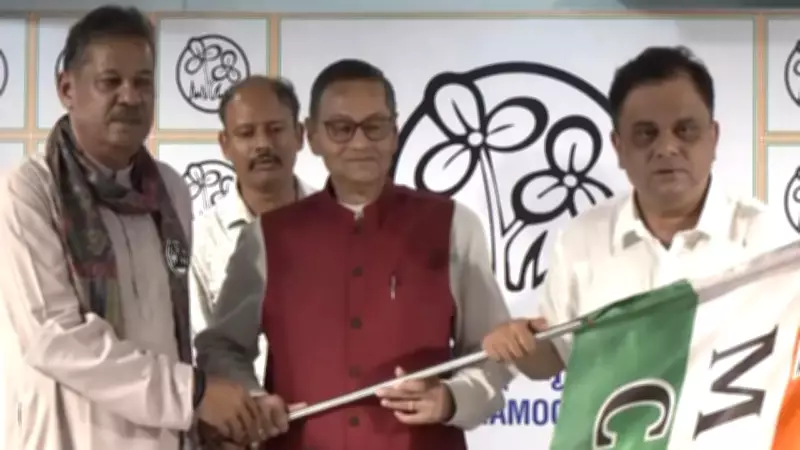
The former BJP leader was formally inducted into the ruling TMC in a ceremony attended by state minister Bratya Basu and TMC MP Kirti Azad. During the event, Bose did not mince words, stating, "It is not possible to follow Netaji's ideals while being in the BJP." He elaborated that the party engages in divisive politics and spreads communal hatred, urging a collective effort to resist such tactics and protect India's unity.
Political Journey and Growing Discontent
Chandra Bose had been associated with the BJP since 2016, contesting the assembly elections that year from Bhabanipur against Chief Minister Mamata Banerjee, though he suffered a defeat. He later ran in the 2019 Lok Sabha elections from Kolkata Dakshin, again facing loss. Over time, his disagreements with the BJP leadership intensified, leading to his resignation from the party in September 2023.

In recent months, Bose had increasingly voiced support for Banerjee's stances on various issues. On March 27, he took to social media to describe his initial decision to join the BJP as a "historic blunder," emphasizing that he cannot accept any party whose objective is to create division among voters for electoral gains.
Election Context and Timing
This defection comes at a crucial juncture as West Bengal prepares to vote for its 294-member assembly in two phases on April 23 and April 29, with counting scheduled for May 4. The move is expected to influence political dynamics in the state, potentially swaying voter sentiment ahead of the polls.
The shift underscores ongoing tensions within Indian politics, highlighting how ideological differences can lead to realignments, especially in key electoral battlegrounds like West Bengal.