

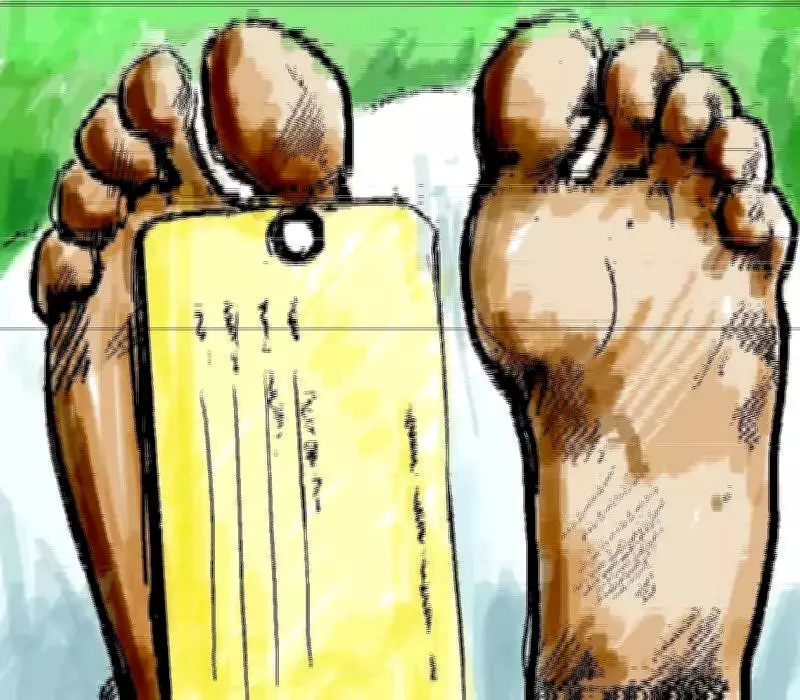
Booth Level Officer's Death in West Midnapore Ignites Political Firestorm Over Alleged Work Pressure
The sudden demise of a 58-year-old booth level officer (BLO) in West Midnapore on Thursday has erupted into a significant political controversy, with his family members directly alleging that the intense pressure from Systematic Voters' Education and Electoral Participation (SIR) work responsibilities caused his untimely death. The incident has drawn sharp reactions from local political figures, creating a heated debate over electoral administration practices.
Details of the Tragic Incident
Subimal Karak, a resident of Hatimari who served as a teacher at Sabli Primary School while simultaneously holding the position of BLO for the Hatimari booth, fell critically ill on Thursday morning and passed away shortly afterward. According to family statements, Karak had expressed reluctance about accepting the BLO assignment due to his advancing age but was reportedly compelled to undertake the demanding role against his wishes.
His daughter, Suchandrima, provided emotional testimony about her father's final days, revealing that he had been working "day and night" on electoral duties despite suffering from a pre-existing heart condition. She emphasized that the excessive workload and continuous pressure associated with the SIR responsibilities had taken a severe toll on his health, ultimately contributing to his sudden collapse and death.

Political Reactions and Accusations
The tragedy quickly transformed into a political battleground when local MLA Sujoy Hazra visited the grieving family and placed direct blame on the Election Commission for what he characterized as "systemic negligence" leading to Karak's death. Hazra demanded immediate investigation into work pressure protocols for BLOs and called for accountability measures.
However, Arup Das, the BJP spokesperson for the Midnapore organisational district, offered a contrasting perspective. While acknowledging the death as "unfortunate and tragic," Das accused the ruling Trinamool Congress of exploiting the sensitive situation to strategically target the Election Commission for political gains. This exchange has highlighted the deepening political divisions surrounding electoral administration in the region.
Broader Implications and Context
This incident has brought renewed attention to the working conditions and health safeguards for booth level officers across West Bengal, particularly those who, like Karak, balance multiple professional responsibilities. The SIR program, designed to enhance voter awareness and participation, has come under scrutiny regarding implementation pressures on ground-level officials.
The controversy emerges against a backdrop of heightened political sensitivity in the region, with electoral processes frequently becoming focal points for partisan disputes. The conflicting narratives from different political factions illustrate how administrative tragedies can quickly become politicized in the charged atmosphere of West Bengal politics.
As investigations into the circumstances surrounding Karak's death continue, questions remain about adequate health protocols for electoral officials, reasonable workload distribution, and the intersection of administrative duties with personal health considerations for public servants engaged in democratic processes.






