Genius Sports and FanCode Submit Competing Bids for Indian Football Rights
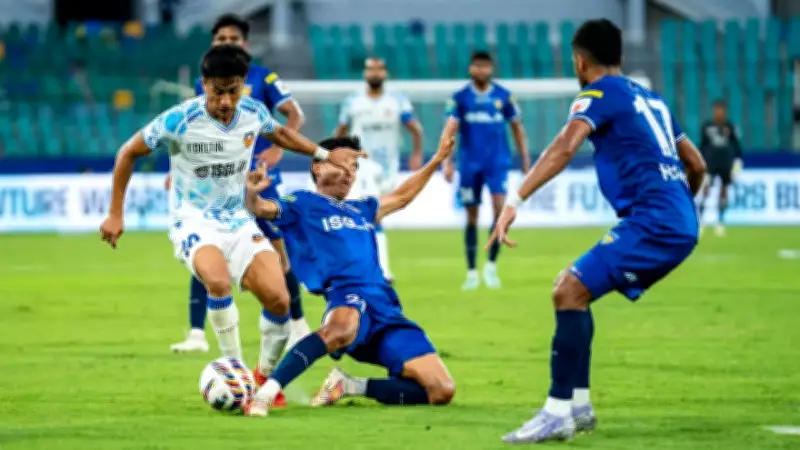
In a pivotal development for Indian football, the All India Football Federation (AIFF) has received two contrasting bids for the commercial rights of the Indian Super League (ISL) and Federation Cup. The bids were opened on Friday, March 27, setting the stage for a critical decision that will shape the sport's financial future in the country.
Details of the Competing Offers
London-based Genius Sports has proposed an annual bid of Rs 64.39 crore, which amounts to approximately Rs 2,129 crore over a 20-year period. In contrast, FanCode, owned by Dream11, has submitted a bid of Rs 36 crore for the first year, totaling around Rs 1,190 crore over the same duration. This significant disparity has created a divide between the AIFF and the 14 ISL clubs regarding which offer is more advantageous.
Revenue Sharing Model and Stakeholder Perspectives
Under the revenue sharing framework outlined in the tender, AIFF is entitled to a fixed 20% of the bid amount. Subsequently, 70% of the net revenue at the end of each season will be allocated to AIFF, with the remaining 30% going to the commercial partner. From AIFF's 70% share, 60% is designated for the clubs. It is important to note that any net losses will be carried forward to the following year, complicating financial stability.

AIFF's Preference for Genius Sports: The football body, facing financial constraints, views the higher bid from Genius Sports as more favorable. This offer guarantees AIFF a larger immediate income, with Rs 12.87 crore in the first year and an estimated Rs 425.80 crore over two decades. However, the challenge of recouping the substantial annual investment poses risks, potentially leaving clubs with minimal or no profit shares.
Clubs' Support for FanCode: ISL clubs, which have been experiencing financial losses, advocate for FanCode's bid due to its more feasible structure. With a lower annual investment of Rs 36 crore, the likelihood of breaking even and generating profits is higher. This scenario offers clubs better prospects for revenue, although it results in a smaller direct share for AIFF—Rs 7.2 crore initially and about Rs 238 crore over 20 years.
Controversy Over Long-Term Deal Duration
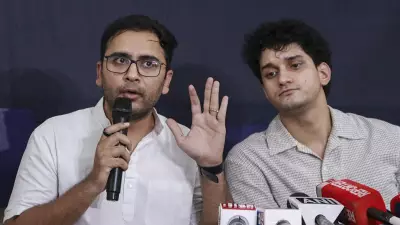
The decision to invite bids for a 15-20 year term has sparked debate within the football community. Critics argue that committing to such a lengthy agreement during a period of market uncertainty, exacerbated by a truncated and delayed season, could hinder the sport's growth. Former AIFF General Secretary Shaji Prabhakaran emphasized this concern on social media, stating that Indian football deserves a more favorable commercial roadmap and warning that long-term deals may lead to sustainability issues for both AIFF and its clubs.
Upcoming Decision and Implications
The AIFF Executive Committee is set to review the bid evaluation report, with a potential decision as early as Sunday. This choice will not only determine the immediate financial landscape but also establish the commercial trajectory for Indian football over the next two decades. Stakeholders are urged to collaborate on a strategy that balances immediate gains with long-term viability, ensuring revenue distribution effectively supports the clubs at the heart of the ecosystem.