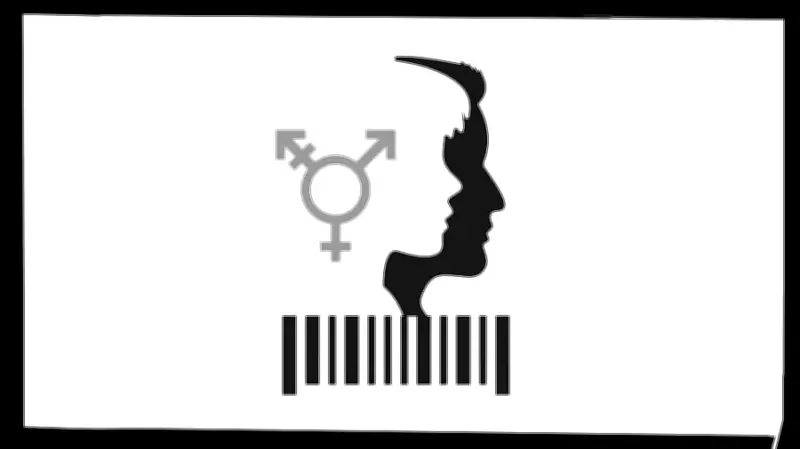
Warning Signs for Democracy: When the State Imposes Identities
In a democratic society, individual freedom and self-determination are fundamental pillars. However, recent legislative moves, such as the proposed SIR (Special Identity Registry) bill and the transgender rights bill, have raised serious concerns among political observers and civil rights advocates. These initiatives represent a troubling trend where the state is increasingly imposing rigid identities on its citizens, potentially eroding the very foundations of democracy.
The SIR Bill: A Case of Forced Categorization
The Special Identity Registry bill, currently under consideration, aims to create a comprehensive database categorizing citizens based on various demographic and socio-economic parameters. While proponents argue it will streamline governance and resource allocation, critics warn that such forced categorization could lead to surveillance, discrimination, and the marginalization of vulnerable groups. By assigning fixed identities to individuals, the state risks reducing complex human experiences to simplistic labels, undermining personal autonomy.
The Transgender Bill: Imposing Binary Norms
Similarly, the transgender rights bill, intended to protect and empower transgender individuals, has faced criticism for imposing restrictive definitions and bureaucratic hurdles. Instead of recognizing the fluidity and diversity of gender identities, the legislation enforces binary norms and requires medical certification for legal recognition. This approach not only violates the right to self-identification but also reinforces state control over personal identity, contradicting democratic values of inclusion and equality.

Authoritarian Tendencies in Democratic Systems
Political analyst A V S Namboodiri, in a recent opinion piece, highlights how these measures signal a shift toward authoritarianism. When the state dictates who people are—through laws like the SIR and transgender bills—it centralizes power and suppresses dissent. This trend is particularly dangerous in democracies, where the balance between state authority and individual rights is crucial. Namboodiri argues that such impositions create a system where conformity is enforced, and diversity is stifled, leading to a gradual erosion of democratic norms.
The implications are far-reaching:
- Loss of personal freedom: Citizens may feel pressured to align with state-defined identities to avoid legal or social repercussions.
- Increased surveillance: Databases like the SIR could be misused for monitoring and controlling populations.
- Marginalization of minorities: Rigid identity frameworks often exclude or harm groups that do not fit neatly into predefined categories.
- Weakening of civil society: When the state overreaches, it can dampen public discourse and activism.
Historical Context and Global Parallels
History is replete with examples where state-imposed identities have led to authoritarian regimes. From colonial-era classifications to modern-day nationalist policies, forcing identities on people has often been a tool for control and division. In contemporary global politics, similar trends are observed in various countries, where governments use identity politics to consolidate power at the expense of democratic principles. The SIR and transgender bills, therefore, are not isolated incidents but part of a broader pattern that requires vigilant scrutiny.
The Path Forward: Safeguarding Democracy
To counter these authoritarian tendencies, it is essential to reinforce democratic institutions and promote policies that respect individual autonomy. This includes:

- Ensuring transparent and inclusive legislative processes that involve diverse stakeholders.
- Advocating for laws that protect self-identification and prevent state overreach.
- Strengthening judicial oversight to check executive and legislative excesses.
- Encouraging public awareness and debate on issues of identity and freedom.
As Namboodiri emphasizes, democracy thrives on pluralism and the free expression of identity. When the state begins to impose identities, it not only violates human rights but also sets a dangerous precedent for authoritarian rule. Citizens, activists, and policymakers must recognize these warning signs and act to preserve the democratic ethos that values every individual's right to define themselves.