Finance Minister Nirmala Sitharaman Dismisses Lockdown Rumors, Highlights India's Fuel Stability Amid Regional Crises
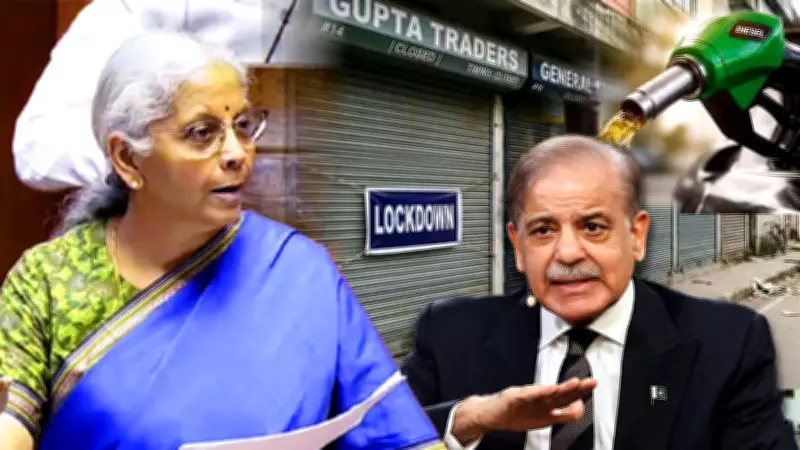
In a robust parliamentary address, Finance Minister Nirmala Sitharaman forcefully countered speculation about potential lockdowns in India, while drawing a stark comparison with the severe energy crises gripping neighboring nations Pakistan and Bangladesh. Her speech, delivered on March 28, 2026, aimed to reinforce the government's narrative of economic resilience and effective crisis management.
Sharp Contrast with Pakistan's Fuel Turmoil and Emergency Measures
Sitharaman pointedly questioned the situation in Pakistan, where citizens are grappling with steep fuel price hikes and the government has implemented drastic emergency protocols. These include the imposition of so-called "smart lockdowns" in affected areas, a reduction in the official work week to conserve energy, and severe restrictions on public and private movement to manage the scarcity.
Bangladesh's Electricity Shortages and Educational Disruptions
The Finance Minister also highlighted the parallel crisis unfolding in Bangladesh. There, acute electricity shortages have forced major universities to shift classes online, disrupting higher education, while triggering widespread and prolonged power outages across residential and commercial sectors, crippling daily life and economic activity.

India's Strategic Response to Global Crude Shock
In contrast, Sitharaman argued that India has successfully navigated the volatile global crude oil market. She credited strategic government interventions, specifically the reduction of central excise duties on fuel, which helped cushion domestic prices. Furthermore, she emphasized the uninterrupted continuity of fuel supply chains across the nation, ensuring that Indian consumers and industries did not face the disruptive shortages seen elsewhere.
Her remarks were a direct rebuttal to opposition criticism and sought to position India as a bastion of stability in a turbulent South Asian region. The parliamentary debate, therefore, extended beyond mere fuel pricing, evolving into a broader discussion on comparative governance, crisis preparedness, and economic policy efficacy during a period of significant geopolitical volatility.