Indian Government Updates Parliament on US H-1B Visa Bill Status
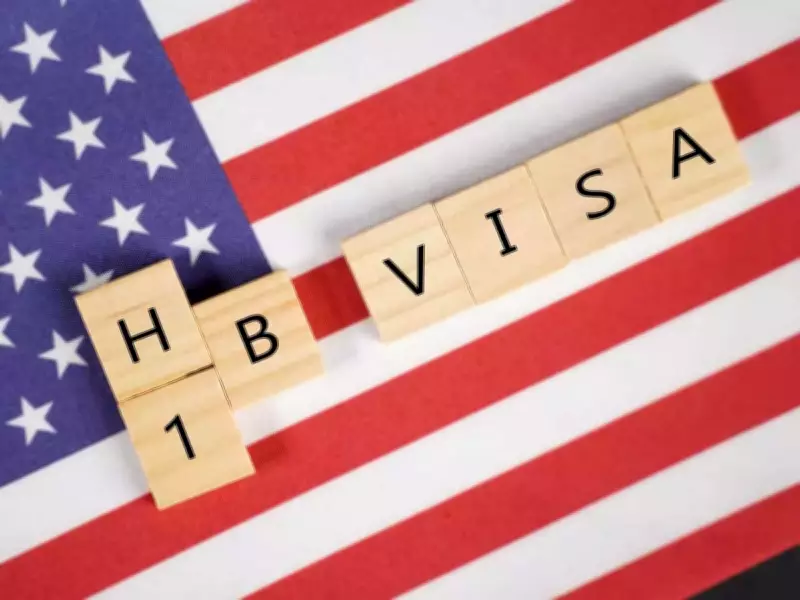
The Indian government has officially informed Parliament that it is closely monitoring the introduction of a significant bill related to H-1B and L-1 visas in the United States Senate. According to the Ministry of External Affairs, the bill, titled "H-1B and L-1 Visa Reform Act of 2025" (S. 2928), was introduced on September 29, 2025, but has seen no legislative advancement since then.
Current Status of the US Visa Bill
In a written response to questions in the Lok Sabha, Minister of State for External Affairs Kirti Vardhan Singh detailed that as of March 21, 2026, the bill remains at the "introduced" stage. It has been referred to the Senate Judiciary Committee, but there have been no hearings, markup sessions, or further progress in the legislative process. This lack of movement indicates that the proposed reforms have not yet advanced toward becoming law.
Key Provisions and Potential Impacts
The bill aims to amend the Immigration and Nationality Act with several key proposals designed to reform the H-1B and L-1 visa programs. Its stated objectives include curbing fraud, abuse, outsourcing, and the displacement of American workers. Specific measures outlined in the bill involve:

- Higher wage thresholds for visa holders.
- Mandatory recruitment of U.S. workers before hiring foreign professionals.
- A 50% cap on H-1B and L-1 workers in companies with more than 50 employees.
- Stricter definitions of "specialty occupation" and "specialized knowledge."
- Shorter maximum stay periods for H-1B visa holders.
- Enhanced enforcement powers for regulatory authorities.
If enacted, these changes could have substantial effects on Indian tech professionals in the U.S. Potential impacts include:
- Increased hiring costs and greater difficulty for U.S. employers to sponsor or renew visas for less experienced or mid-level tech workers.
- A possible shift of some work back to India or to other countries as companies adapt to new regulations.
- Challenges in obtaining permanent residency due to limitations on the maximum duration of H-1B visas.
Project Firewall: US Enforcement Initiative
In addition to the visa bill, the government addressed questions about "Project Firewall," an enforcement initiative launched by the U.S. Department of Labor’s Wage and Hour Division on September 19, 2025. This program focuses on:
- Conducting audits and investigations in cases of suspected displacement of U.S. workers, inadequate recruitment, wage violations, or misrepresentation.
- Imposing enhanced penalties, such as back wages, civil fines, and debarment from the H-1B program.
As of March 2026, Project Firewall remains active with numerous ongoing investigations. It is designed to strengthen compliance with existing H-1B visa rules to protect the wages and job opportunities of highly skilled American workers, rather than introducing new statutory changes.
Government of India's Engagement
The Indian government has emphasized its ongoing engagement with U.S. authorities at various levels regarding skilled worker mobility. This dialogue aims to safeguard the interests of Indian professionals while respecting the immigration policies of the United States. The government continues to monitor developments closely to ensure that any changes do not adversely affect the large community of Indian tech workers abroad.
This parliamentary update underscores the importance of international visa policies for India's tech sector and highlights the proactive stance taken by the government in addressing potential challenges for its citizens overseas.