Shrinking Voter Rolls, Rising Turnout: A Complex Electoral Puzzle
Recent electoral data from India reveals a fascinating and counterintuitive trend: while the official voter rolls have been shrinking in certain constituencies, the actual voter turnout percentages have been rising significantly. This phenomenon is defying simplistic anti-incumbency interpretations and complicating the political spin that often dominates election analysis.
The Data Defying Expectations
Traditionally, political analysts have relied on straightforward metrics to gauge voter sentiment. A shrinking voter roll might suggest disengagement or demographic shifts, while high turnout is often interpreted as a sign of strong anti-incumbency sentiment or intense political mobilization. However, the current scenario presents a paradox where these two trends are occurring simultaneously, challenging conventional wisdom.
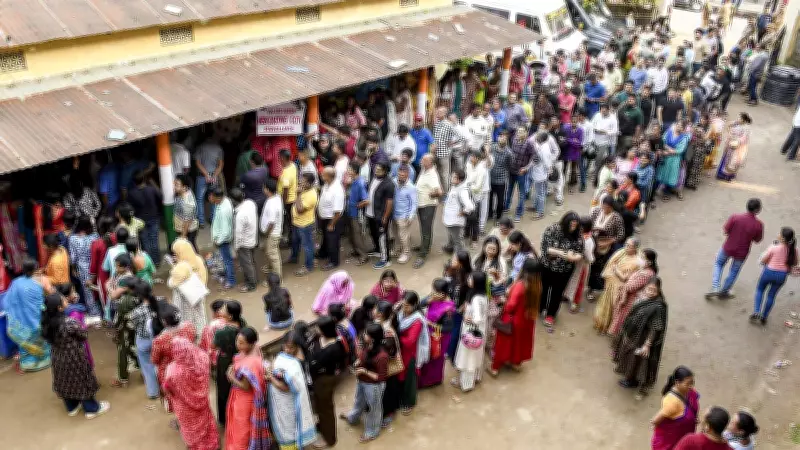
The high voter turnout, despite a reduction in the number of registered voters, indicates that a larger proportion of the remaining electorate is actively participating in the democratic process. This could be due to various factors, including increased political awareness, more effective voter outreach programs, or heightened interest in specific issues or candidates.

Complicating Political Narratives
This trend complicates the typical anti-incumbency narratives that often shape political discourse. Anti-incumbency, the tendency to vote against the ruling party or candidate, is a common theme in Indian politics. However, the rising turnout amidst shrinking rolls suggests that voter behavior is more nuanced than a simple for-or-against dynamic.
Political parties and spin doctors are finding it harder to craft simplistic messages based on turnout alone. The data implies that voters might be motivated by factors beyond mere dissatisfaction with the incumbent, such as positive engagement with opposition platforms, local issues, or broader national concerns.
Key Implications for Electoral Strategy- Parties may need to reassess their voter targeting strategies, focusing more on quality over quantity in engagement.
- Campaigns might shift towards issue-based politics rather than relying on anti-incumbency as a default narrative.
- Election commissions could review voter registration processes to understand the causes behind shrinking rolls.
Looking Beyond the Numbers
This electoral puzzle underscores the importance of looking beyond surface-level statistics. While high turnout is often celebrated as a sign of a healthy democracy, its co-occurrence with shrinking voter rolls raises questions about inclusivity and representation. It prompts a deeper analysis of who is being left off the rolls and why, potentially highlighting issues like migration, documentation barriers, or administrative errors.
Moreover, this trend defies the simplistic interpretations that often dominate media coverage and political commentary. It suggests that Indian voters are making more informed and complex decisions, influenced by a myriad of factors that cannot be reduced to binary choices. As elections continue to evolve, this data serves as a reminder that democracy is dynamic, and voter behavior is continually reshaping the political landscape in unexpected ways.