Supreme Court Bars Voting for Those Excluded from West Bengal Electoral Rolls
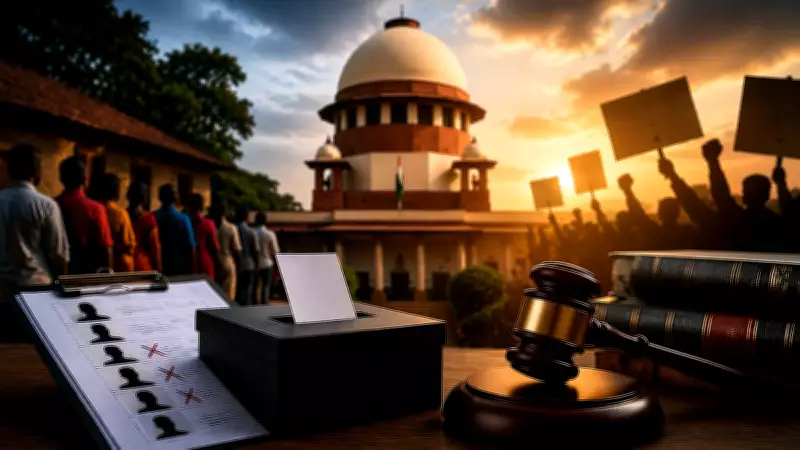
The Supreme Court of India has delivered a significant ruling concerning the upcoming West Bengal Assembly Elections in 2026, firmly denying voting rights to individuals whose names have been excluded from the electoral rolls while their appeals are still pending. This decision underscores the court's commitment to upholding the integrity of the electoral process by ensuring that only those with finalized claims can participate in the democratic exercise.
Key Details of the Supreme Court's Ruling
In a bench hearing, the Supreme Court clarified that only persons whose claims or objections were adjudicated by April 9, 2026, the critical date when the electoral rolls were officially frozen, will be permitted to vote. This means that any individuals whose cases remained unresolved beyond this cutoff point will not be eligible to cast their ballots in the elections scheduled for April 23, 2026. The ruling aims to prevent last-minute disruptions and maintain a fair and orderly voting environment, as the court emphasized the importance of adhering to established electoral timelines to avoid confusion and potential legal challenges.
Implications for West Bengal's Electoral Landscape
This judgment is poised to have a profound impact on the political dynamics of West Bengal, a state known for its highly competitive and often contentious elections. By restricting voting rights to those with settled claims, the Supreme Court seeks to mitigate disputes that could arise from incomplete or contested electoral rolls. Legal experts suggest that this move could influence voter turnout and campaign strategies, as political parties may need to reassess their outreach efforts to ensure their supporters are properly registered and their appeals resolved well in advance of the freeze date.

Furthermore, the ruling highlights the judiciary's proactive role in safeguarding electoral transparency, especially in a region where electoral rolls have historically been a point of contention. It reinforces the principle that electoral participation must be based on verified and finalized records, thereby reducing the risk of fraudulent voting and enhancing public trust in the democratic process.
Broader Context and Reactions
The decision comes amid ongoing preparations for the West Bengal Assembly Elections, which are expected to be a closely watched event in Indian politics. Stakeholders, including election officials, political leaders, and civil society groups, have welcomed the clarity provided by the Supreme Court, noting that it helps streamline election management and reduces ambiguity. However, some advocates for voter rights have expressed concerns, arguing that individuals with genuine claims might be disenfranchised if their appeals are not processed in time due to administrative delays.
As the election date approaches, all parties involved are urged to expedite the resolution of pending appeals to ensure maximum voter inclusion. The Supreme Court's stance serves as a reminder of the critical balance between electoral efficiency and the fundamental right to vote, setting a precedent that could influence future election-related litigation across India.