Trapped in Noida's Protest Gridlock: A Reporter's 4-Hour Ordeal Across Blocked Highways and Dead Ends
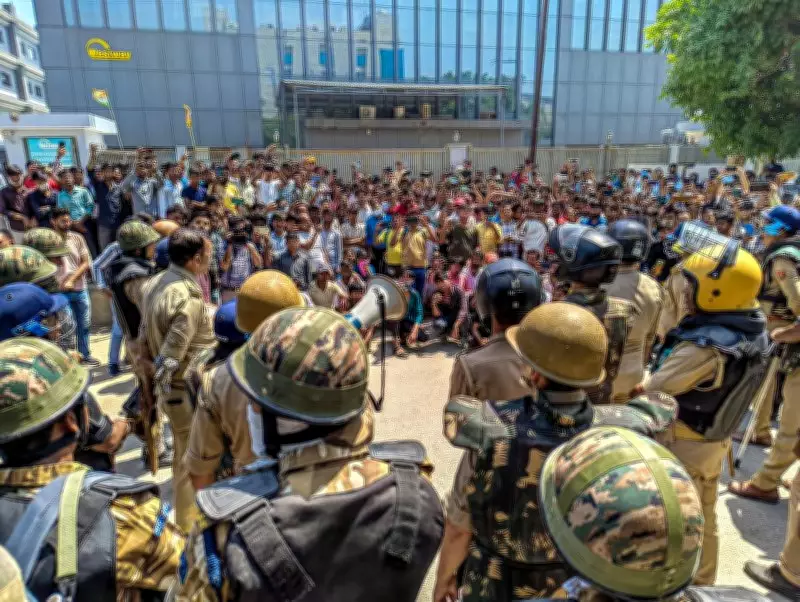
In a vivid account of urban chaos, a journalist recently endured a grueling four-hour ordeal while navigating Noida's protest gridlock, highlighting the severe disruptions caused by mass demonstrations in Uttar Pradesh. The incident underscores the broader challenges of managing public protests in densely populated areas, where blocked highways and dead ends can trap commuters for hours.
The Start of the Journey: Unforeseen Delays
The reporter's journey began with a routine assignment, but it quickly turned into a nightmare as protests erupted across key routes in Noida. What was expected to be a short drive transformed into a prolonged struggle against time and traffic. The initial signs of trouble appeared as vehicles slowed to a crawl, with horns blaring and frustration mounting among drivers.
Highways were completely blocked by demonstrators, forcing the reporter to seek alternative paths. However, these detours led to dead ends, as protestors had strategically occupied intersections and side streets. The gridlock was not just a minor inconvenience; it represented a complete breakdown of normal traffic flow, affecting thousands of residents and commuters.

Navigating Chaos: Dead Ends and Detours
As the hours ticked by, the reporter faced repeated setbacks. Each attempted shortcut proved futile, with police barricades and protest crowds rendering roads impassable. The experience was marked by a sense of helplessness, as there was no clear escape from the congestion. Communication with authorities provided little relief, as updates on protest dispersal were sporadic and often inaccurate.
The ordeal was compounded by the sweltering heat and growing anxiety among stranded individuals. Many, like the reporter, were caught unaware, with no prior warning about the scale of the protests. This lack of preparedness exacerbated the situation, turning a simple commute into a test of endurance.
Impact on Daily Life and Public Safety
The protest gridlock in Noida had far-reaching consequences beyond just traffic delays. Essential services, such as emergency vehicles, faced significant hurdles in navigating the blocked routes. Local businesses reported losses due to reduced foot traffic, and residents expressed frustration over the disruption to their daily routines.
From a broader perspective, this incident raises questions about protest management and urban planning in Uttar Pradesh. While the right to demonstrate is fundamental, ensuring minimal disruption to public life is crucial. Authorities must balance these aspects to prevent such ordeals in the future.
Lessons Learned and Moving Forward
The reporter's four-hour ordeal serves as a stark reminder of the vulnerabilities in urban infrastructure during mass protests. It highlights the need for:
- Better communication systems to alert commuters about protests in real-time.
- Improved traffic management strategies to mitigate gridlock and provide clear detours.
- Enhanced coordination between police and protest organizers to minimize public inconvenience.
As Noida and other cities in Uttar Pradesh continue to grow, addressing these challenges will be essential to maintaining order and safety. The reporter's experience, while harrowing, offers valuable insights into the complexities of modern urban life in the face of social unrest.