

Trump Removes Controversial AI-Generated Jesus Image After Online Uproar
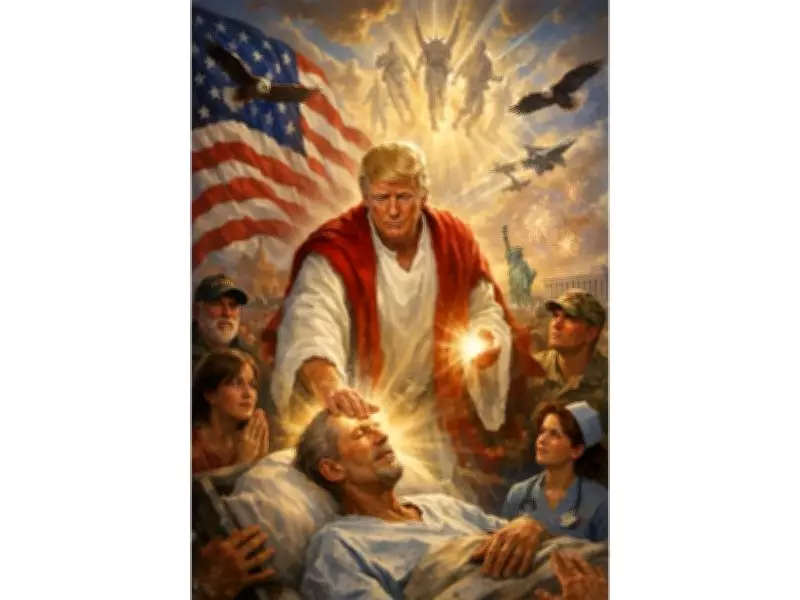
Former United States President Donald Trump has deleted a highly contentious artificial intelligence-generated image from his social media accounts. The image, which depicted Trump in a manner resembling Jesus Christ, sparked immediate and intense backlash across various online platforms.
Details of the AI-Generated Content
The image in question was created using advanced AI technology, portraying Trump with features and symbolism commonly associated with religious iconography of Jesus. It was posted on Trump's official social media channels, where it quickly gained attention due to its provocative nature.
The public reaction was swift and overwhelmingly negative. Critics, including political opponents, religious groups, and social media users, condemned the image as blasphemous and inappropriate. Many argued that it trivialized religious figures for political purposes, leading to a wave of mockery and outrage.

Immediate Removal and Response
Facing mounting pressure, Trump's team decided to delete the image from all platforms. The removal occurred within hours of the initial posting, highlighting the sensitivity of the issue. No official statement was released by Trump or his representatives regarding the deletion, but sources close to the matter suggest it was a direct response to the public backlash.
This incident underscores the growing challenges and ethical dilemmas posed by AI-generated content in political discourse. As AI technology becomes more accessible, its misuse for creating misleading or offensive imagery has raised concerns about regulation and accountability.
Broader Implications for AI and Politics
The event has sparked discussions on several key fronts:
- Ethical Use of AI: Questions about the boundaries of AI in generating political or religious content.
- Social Media Responsibility: The role of platforms in moderating such posts to prevent misinformation and offense.
- Public Perception: How such incidents impact the credibility and image of political figures in the digital age.
In the United States, where political polarization is high, this episode adds to ongoing debates about the intersection of technology, religion, and politics. Experts warn that without proper guidelines, AI could be weaponized to create deepfakes or other manipulative content, further eroding public trust.
The deletion of the image may have quelled immediate controversy, but it leaves lingering questions about future use of AI in campaigns and public communications. As the 2024 presidential election approaches, stakeholders are calling for clearer policies to address these emerging threats.






