

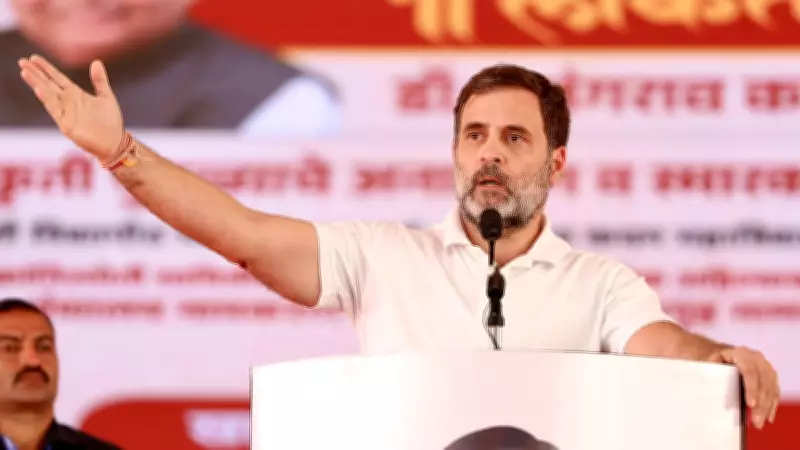
Rahul Gandhi Slams Centre Over India-US Trade Deal, Highlights Tariff Disparity
Congress leader Rahul Gandhi has launched a sharp critique against the central government regarding the proposed India-US trade deal, expressing grave concerns over its potential repercussions for cotton farmers and the textile sector. Gandhi emphasized that the deal could lead to significant economic distress, particularly due to the stark contrast in tariff structures between the two nations.
Tariff Imbalance and Its Implications
In his statement, Rahul Gandhi pointed out a critical issue: while India imposes an 18% tariff on certain imports, the United States maintains a 0% tariff on similar goods. This disparity, he argued, places Indian producers, especially in agriculture and textiles, at a severe competitive disadvantage. He warned that such an arrangement could undermine domestic industries, making them vulnerable to cheaper foreign imports and potentially leading to job losses and reduced incomes for farmers and workers.
Impact on Cotton Farmers and Textile Industry
Gandhi specifically highlighted the plight of cotton farmers, who form a backbone of India's agricultural economy. He asserted that the trade deal might expose them to unfair competition from subsidized or lower-cost cotton imports from the US, threatening their livelihoods. Additionally, the textile sector, which relies heavily on cotton, could face disruptions, affecting everything from small-scale weavers to large manufacturing units. This, in turn, might ripple through related industries and export markets, exacerbating economic challenges.

Political and Economic Context
The criticism comes amid ongoing negotiations between India and the US to enhance bilateral trade relations. Rahul Gandhi's remarks reflect broader political tensions, with opposition parties scrutinizing government policies for their impact on common citizens. He called for greater transparency and protection for vulnerable sectors, urging the Centre to reconsider terms that could harm India's economic sovereignty and rural communities.
This development underscores the complex interplay between international trade agreements and domestic welfare, with stakeholders closely monitoring how such deals shape India's economic future.






