Rahul Gandhi Takes Stand Against Institutional Discrimination
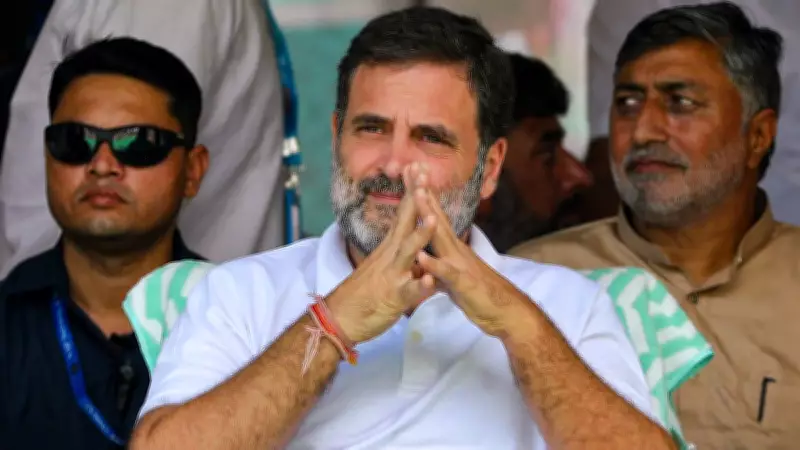
Rahul Gandhi, the prominent Leader of Opposition in the Lok Sabha, has launched a powerful critique against the systemic discrimination prevalent in India's institutional leadership structures. In a significant statement, he highlighted the glaring absence of Bahujan community representation in senior positions across various national institutions.
Addressing Representation Gaps in Leadership
The Congress leader emphasized that this exclusionary pattern represents a deep-seated form of discrimination that undermines the democratic principles of equality and inclusion. Gandhi pointed out that despite constitutional guarantees and decades of social justice movements, marginalized communities continue to face barriers in accessing leadership roles in critical institutions that shape national policy and development.
"We are fighting this discrimination at every level," declared Gandhi, underscoring his commitment to challenging the status quo. His remarks come at a time when discussions about diversity and inclusion in governance and institutional frameworks have gained renewed attention across political and social spheres.

Commitment to Equal Participation
The opposition leader made a firm vow to ensure that every section of Indian society secures equal participation and representation in every institution across the nation. This comprehensive approach aims to address not just political representation but also leadership positions in educational, economic, judicial, and administrative institutions that collectively influence national direction.
"The promise of equal opportunity remains unfulfilled when certain communities remain systematically excluded from decision-making positions," Gandhi stated, framing the issue as both a moral imperative and a practical necessity for national progress.
Broader Implications for Indian Democracy
This stance positions Gandhi as a vocal advocate for institutional reform, potentially reshaping political discourse around social justice and representation. The focus on Bahujan communities specifically addresses historical marginalization that persists despite various affirmative action policies and social movements.
The timing of these remarks, coming in March 2026, suggests this issue will feature prominently in political debates and policy discussions. As Leader of Opposition in the lower house of Parliament, Gandhi's position gives significant weight to his critique and proposed solutions.
Political analysts suggest this represents a strategic positioning that combines social justice advocacy with institutional reform, potentially appealing to broad sections of Indian society concerned with equitable development and genuine democratic representation.