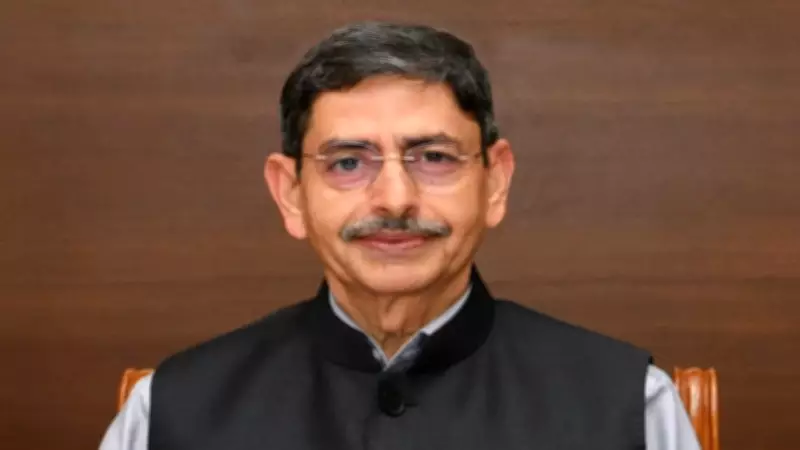
R N Ravi's Tumultuous Tenure as Tamil Nadu Governor Concludes with Transfer to West Bengal
The four-year tenure of R N Ravi as the governor of Tamil Nadu has officially ended, marked by recurrent confrontations with the state government. According to an official release, Ravi will now assume the role of governor of West Bengal. In the interim, Kerala governor Rajendra Vishwanath Arlekar will discharge the functions of the Tamil Nadu governor.
Political Shifts Ahead of Election Announcements
Government sources have revealed that Union home minister Amit Shah informed Tamil Nadu chief minister M K Stalin about Ravi's transfer prior to the official communique from the President. These changes come just days before the Election Commission is expected to announce assembly election dates and enforce the model code of conduct, adding a layer of political significance to the move.
Ravi took charge as the 26th governor of Tamil Nadu in 2021, shortly after the DMK government led by M K Stalin assumed office. His tenure was characterized by ongoing disputes, including a notable incident where he walked out of the assembly without delivering the customary address for the fourth consecutive time this year, citing allegations of disrespect for the national anthem.

Constitutional Stand-offs and Supreme Court Intervention
The friction between the governor and the state government escalated as Raj Bhavan delayed several bills passed by the assembly. In a significant development, the Supreme Court in April 2025 declared 10 bills withheld by the governor as deemed to have been assented to, following a petition by the Tamil Nadu government. This stand-off had severe repercussions, leading to 14 out of 22 universities in the state being without a head for periods ranging from one to three years.
After the latest face-off in the assembly, chief minister M K Stalin stated that the DMK, along with its allies, would work towards abolishing the governor's address, highlighting the deep-seated tensions.
Future Appointments and Broader Implications
Reports indicate that Manipur governor Ajay Kumar Bhalla is likely to be appointed as the new governor of Tamil Nadu, signaling further changes in the administrative landscape. This transfer occurs amidst broader regional and international contexts, including updates on conflicts such as the Israel-Iran war, though the focus here remains on domestic political dynamics.
The end of Ravi's tenure underscores the ongoing challenges in center-state relations and the role of governors in India's federal structure. As Tamil Nadu prepares for upcoming elections, this shift in leadership may influence political strategies and governance approaches in the state.