Rediscovering the Lost Art of Sudha Kadi Weave in Dakshina Kannada
In a significant effort to preserve cultural heritage, researcher Hemalatha Jain has meticulously documented the Sudha Kadi weave from Dakshina Kannada, Karnataka. Through comprehensive field notes, detailed visual records, and carefully collected narratives, this traditional textile art is now positioned within an archive of discontinued fabrics, ensuring its legacy endures for future generations.
Hemalatha Jain's Meticulous Documentation Process
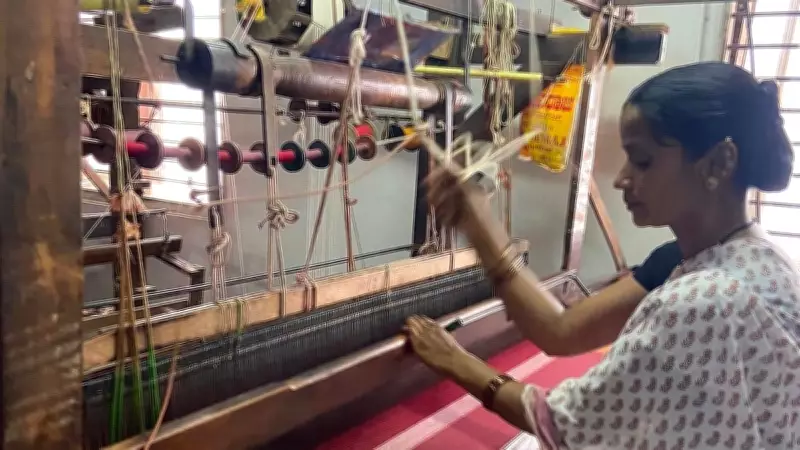
Hemalatha Jain embarked on an extensive research journey to capture the essence of the Sudha Kadi weave. Her methodology involved immersive fieldwork, where she engaged with local communities to gather firsthand accounts and historical context. The visual records include high-quality photographs of Sudha Kadi sarees in various stages of production, such as a saree being prepared on the loom, providing a rare glimpse into the intricate craftsmanship involved.
Key aspects of her documentation include:

- Field Notes: Detailed observations from visits to weaving centers and interviews with artisans.
- Visual Records: Photographic evidence showcasing the weave's patterns, colors, and techniques.
- Collected Narratives: Oral histories from elders and weavers, preserving the cultural significance of the textile.
The Significance of Sudha Kadi Weave in Karnataka's Heritage
The Sudha Kadi weave holds a special place in the textile traditions of Dakshina Kannada, reflecting the region's rich artistic heritage. Once a vibrant part of local culture, this weave has faced decline due to modernization and changing consumer preferences. By archiving it among discontinued textiles, Hemalatha Jain's work highlights the urgent need to safeguard such endangered crafts from fading into obscurity.
This initiative not only documents the technical aspects of the weave but also emphasizes its socio-cultural importance, offering insights into how traditional practices shaped community identities in Karnataka.
Implications for Cultural Preservation and Future Research
The archiving of the Sudha Kadi weave sets a precedent for similar efforts across India, where many traditional textiles are at risk of being forgotten. Hemalatha Jain's approach serves as a model for combining ethnographic research with archival practices, ensuring that intangible cultural heritage is preserved in tangible forms. This work encourages further studies into other discontinued weaves, promoting a broader understanding of India's diverse textile legacy.
As published on April 22, 2026, this documentation underscores the ongoing challenges in preserving artisanal crafts while celebrating the resilience of cultural traditions in the face of change.